
Quick Answer
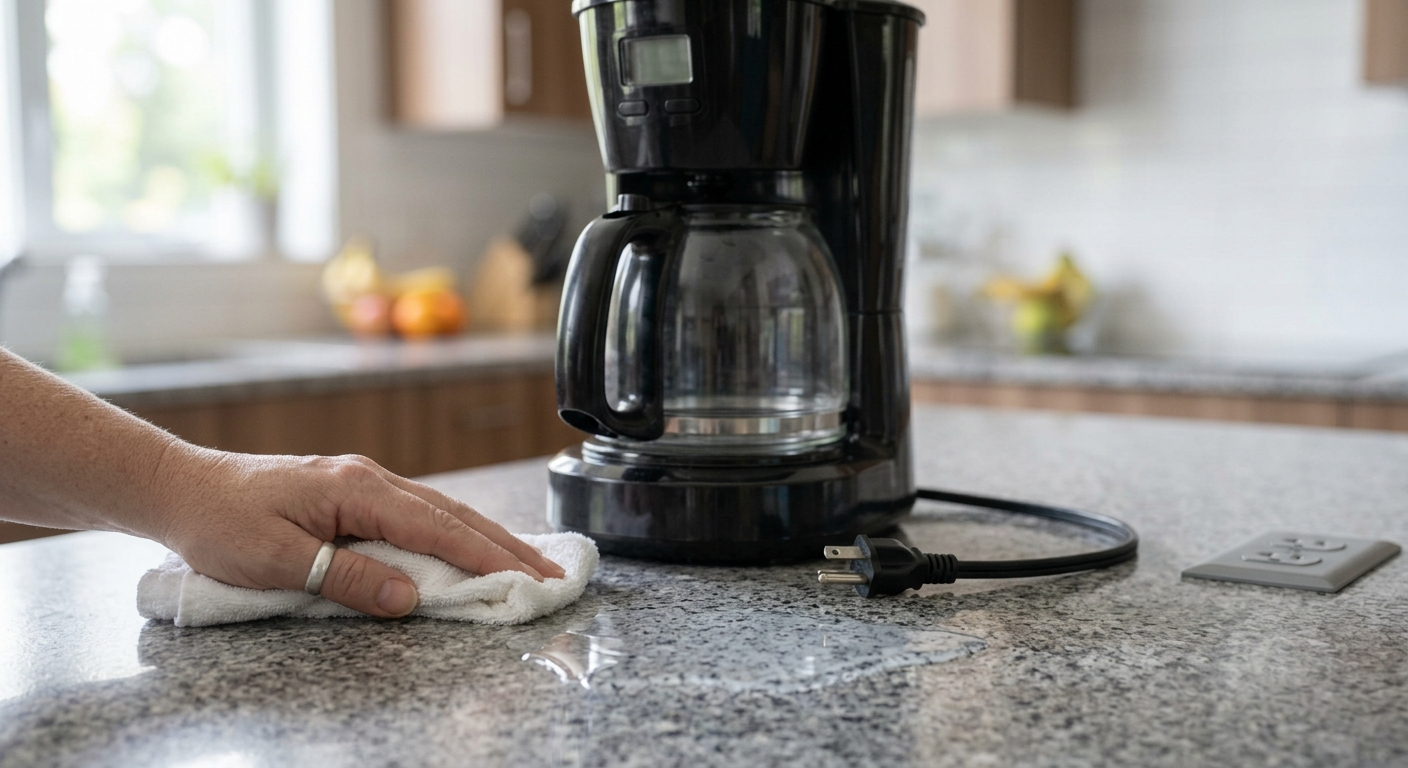
If your coffee maker is not turning on, the most common causes are a dead outlet, a damaged power cord, a tripped circuit breaker, an improperly seated water reservoir, or an internal safety switch that hasn’t reset. Start by testing a different outlet and confirming the reservoir is fully seated before assuming your machine needs replacing.
Safety Note
Before doing any troubleshooting, unplug your coffee maker and let it cool completely if it was recently used. Never open the base housing or attempt to access internal wiring yourself — doing so is a serious shock hazard and will void your warranty. If you notice a burning smell, scorch marks near the plug, or a frayed cord, stop use immediately and do not plug the machine back in.
Why a Coffee Maker Not Turning On Happens
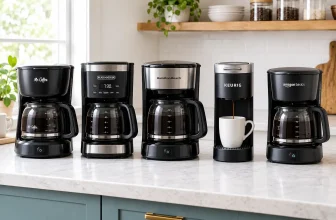
A coffee maker not turning on almost always comes down to one of three categories: a power delivery problem (outlet, cord, breaker), a safety mechanism that hasn’t engaged properly (reservoir seating, lid sensor), or an internal component failure (heating element, control board). Because so many different coffee maker brands — Keurig, Cuisinart, Mr. Coffee, Ninja, Breville — share very similar internal safety designs, the same troubleshooting order works across nearly all of them.
Is It Safe to Keep Troubleshooting Myself?
Yes, everything covered in this guide is safe to check yourself without any electrical expertise. However, if you’ve confirmed the outlet works, the cord is undamaged, and the reservoir is properly seated, and your coffee maker still won’t turn on, this usually points to an internal component failure that requires professional repair rather than further DIY troubleshooting.
7 Common Causes of a Coffee Maker Not Turning On
1. Dead or Faulty Outlet This is the single most common reason a coffee maker won’t turn on. Plug a different appliance, like a phone charger or lamp, into the same outlet to confirm it’s actually supplying power. If it isn’t, try a different outlet rather than assuming the coffee maker itself has failed.
2. Damaged Power Cord Inspect the full length of the cord, especially near the plug and where it enters the machine’s base, for fraying, cuts, or exposed wiring. A damaged cord should never be used and typically requires professional replacement rather than a DIY fix.
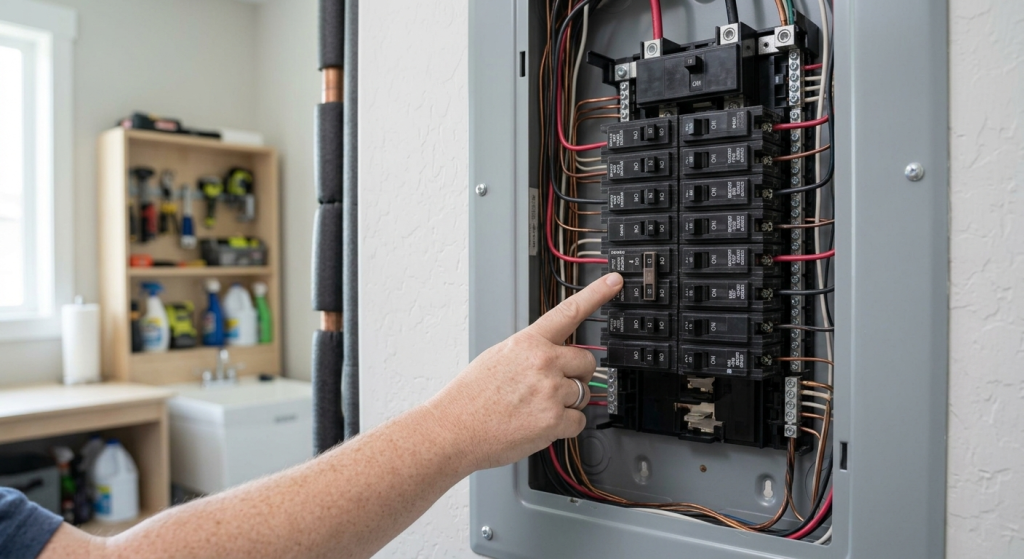
3. Tripped Circuit Breaker Coffee makers, especially higher-wattage models, can trip a breaker if they share a circuit with other high-draw kitchen appliances. Check your electrical panel, and avoid running your coffee maker on the same circuit as a toaster, microwave, or air fryer.
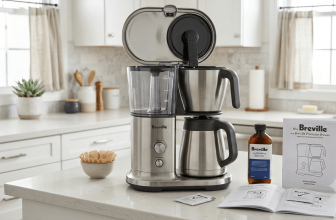
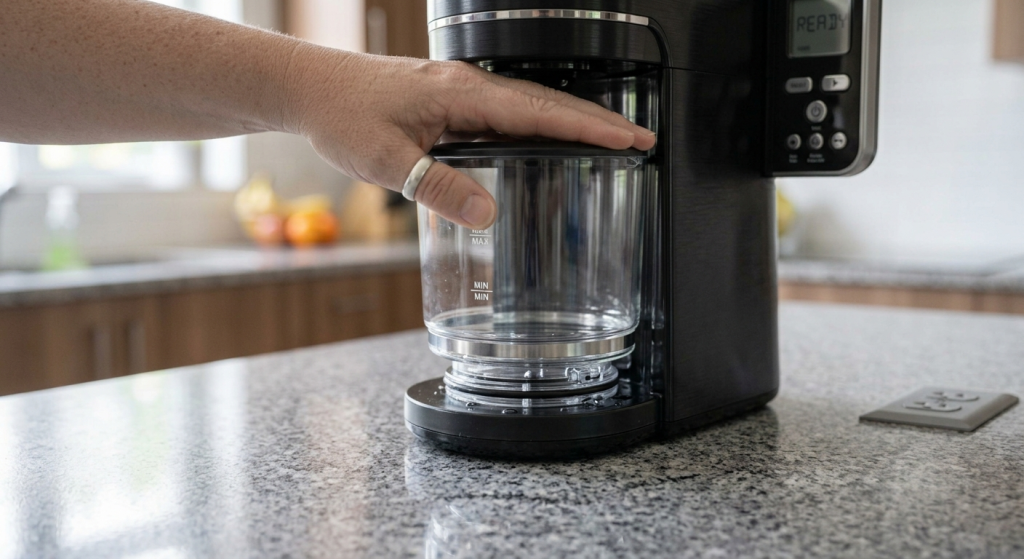
4. Water Reservoir Not Fully Seated Many modern coffee makers include a safety switch that prevents the machine from powering on unless the water reservoir is correctly locked into place. Remove the reservoir, wipe down the base connection points, and firmly reseat it until it clicks or sits flush.
5. Lid or Brew-Basket Safety Switch Not Engaged Similar to the reservoir switch, many machines won’t power on unless the top lid or brew basket is fully closed and detected by an internal sensor. Open and firmly close the lid, checking that nothing (like a stray coffee ground or filter edge) is blocking it from sitting flush.
6. Internal Thermal Fuse Has Tripped Most coffee makers include a one-time safety fuse that permanently cuts power if the machine overheats significantly, often due to being run dry or used for an extended period without descaling. If your machine worked fine previously and then suddenly went completely dead, this is a strong possibility — and it typically requires professional service to resolve.
7. Failed Heating Element or Control Board If you’ve ruled out every cause above and your coffee maker is still not turning on, the internal heating element or control board may have simply failed with age, particularly in machines more than 3–5 years old. At this point, replacement is usually more practical than repair.
Troubleshooting Table
| Symptom | Likely Cause | Fix |
|---|---|---|
| No lights, no sound, completely dead | Dead outlet or damaged cord | Test a different outlet, inspect cord |
| Was working, then suddenly dead | Tripped breaker | Check your electrical panel |
| Display works but brew won’t start | Reservoir not seated | Remove and firmly reseat reservoir |
| Nothing happens when lid is closed | Lid/basket safety switch | Check lid is fully closed and unobstructed |
| Worked fine, then died after a long brew cycle | Thermal fuse tripped | Contact manufacturer support |
| Machine is 3+ years old, all checks fail | Heating element or control board failure | Consider professional repair or replacement |
Prevention Tips
- Plug your coffee maker directly into a wall outlet rather than a shared power strip
- Descale regularly to reduce strain on the heating element and lower overheating risk
- Always fully seat the water reservoir and close the lid completely before starting a brew
- Avoid running your coffee maker on the same circuit as other high-wattage appliances
- Let the machine cool fully between back-to-back brewing cycles
Expert Tip
If your coffee maker won’t turn on only intermittently — working sometimes and not others — this usually points to a loose internal connection at the reservoir base rather than a fully failed component. Try removing and reseating the reservoir a few times, cleaning the contact points with a dry cloth, before assuming the machine needs replacing.
When Should You Stop Troubleshooting and Call for Repair?
If your machine shows any of the following, stop DIY troubleshooting and contact the manufacturer or a repair technician: a burning smell, visible scorch marks, a cord that feels hot to the touch, or water pooling near the base and power cord. These are electrical safety signs that go beyond a simple power issue.
Frequently Asked Questions:
1. Why is my coffee maker not turning on even though it’s plugged in?
The most common reason is that the outlet itself isn’t supplying power, or the water reservoir isn’t fully seated, which stops the internal safety switch from engaging.
2. Can a dirty coffee maker cause it to not turn on?
Indirectly, yes. Heavy mineral buildup can cause the machine to overheat and trip its internal thermal fuse, which will prevent it from turning on again until serviced.
3. My coffee maker was working yesterday but won’t turn on today. What changed?
Check your circuit breaker first — a sudden, complete loss of power in a previously working appliance is most often caused by a tripped breaker rather than an internal fault.
4. Is it safe to keep trying to turn on a coffee maker that won’t start?
Yes, as long as there’s no burning smell, exposed wiring, or water near the electrical components. Repeatedly trying to power on a machine with those warning signs is not safe.
5. Does every coffee maker brand have a reservoir safety switch?
Most modern drip coffee makers do, including Cuisinart, Mr. Coffee, Ninja, and Breville models, though the exact mechanism and sensitivity can vary between brands and models.
6. How do I know if it’s the outlet or the coffee maker itself?
Plug a different, known-working appliance into the same outlet. If that device also fails to power on, the issue is your outlet or home wiring, not the coffee maker.
7. Can I reset my coffee maker if it suddenly stops responding?
Unplugging it for 60 seconds and plugging it back in resolves many temporary electrical glitches, especially on machines with digital displays or programmable settings.
8. Is my coffee maker still under warranty?
Most coffee makers carry a 1–2 year manufacturer warranty. Check your purchase date and register your product with the manufacturer to confirm coverage before considering a repair.
Conclusion
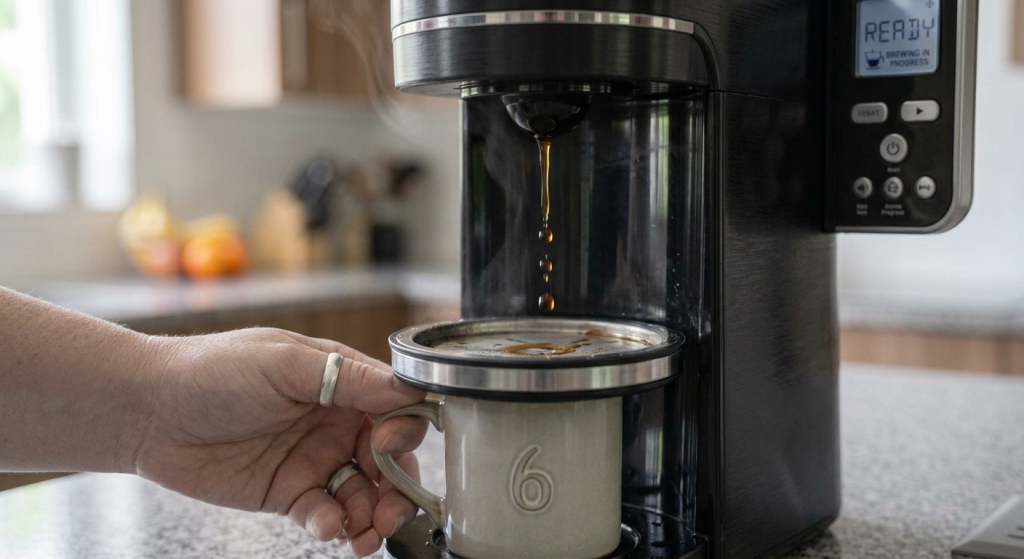
A coffee maker not turning on is almost always caused by something simple and fixable — a dead outlet, an unseated reservoir, or a tripped breaker — rather than a major internal failure. Work through the checks above in order, and in most cases you’ll have your coffee maker powered back up within just a few minutes.
🛒 Recommended Products
- Klein Tools 80025 Outlet Tester Kit with GFCI Tester and Voltage Test Pen — quickly confirms whether a dead outlet is the real cause before you spend time troubleshooting the machine itself
- Tupkee Descaler Solution (2-Pack) — regular descaling reduces overheating risk, which helps prevent the thermal fuse from tripping in the first place
Affiliate Disclosure: This article may contain affiliate links. If you purchase through one of these links, Smart Kitchen Vibe may earn a small commission at no additional cost to you.
Recommended Guides
- Why Is My Coffee Maker Leaking Water? 7 Causes & Easy Fixes
- Why Is My Coffee Maker Brewing Slowly? 7 Causes & Easy Fixes
- How to Descale a Coffee Maker Properly: Complete Step-by-Step Guide
References
- Manufacturer safety and troubleshooting documentation (Cuisinart, Mr. Coffee, Ninja, Breville, Keurig)
- Consumer Reports: Small Appliance Electrical Safety Guidelines
Editorial Note
Reviewed by the Smart Kitchen Vibe Editorial Team
Power failures in coffee makers are most often outlet, cord, or safety-switch related rather than a full unit failure. This guide is based on manufacturer electrical safety documentation shared across major coffee maker brands, since the core safety mechanisms — reservoir detection, lid sensors, and thermal fuses — are largely consistent industry-wide.