
Quick Answer
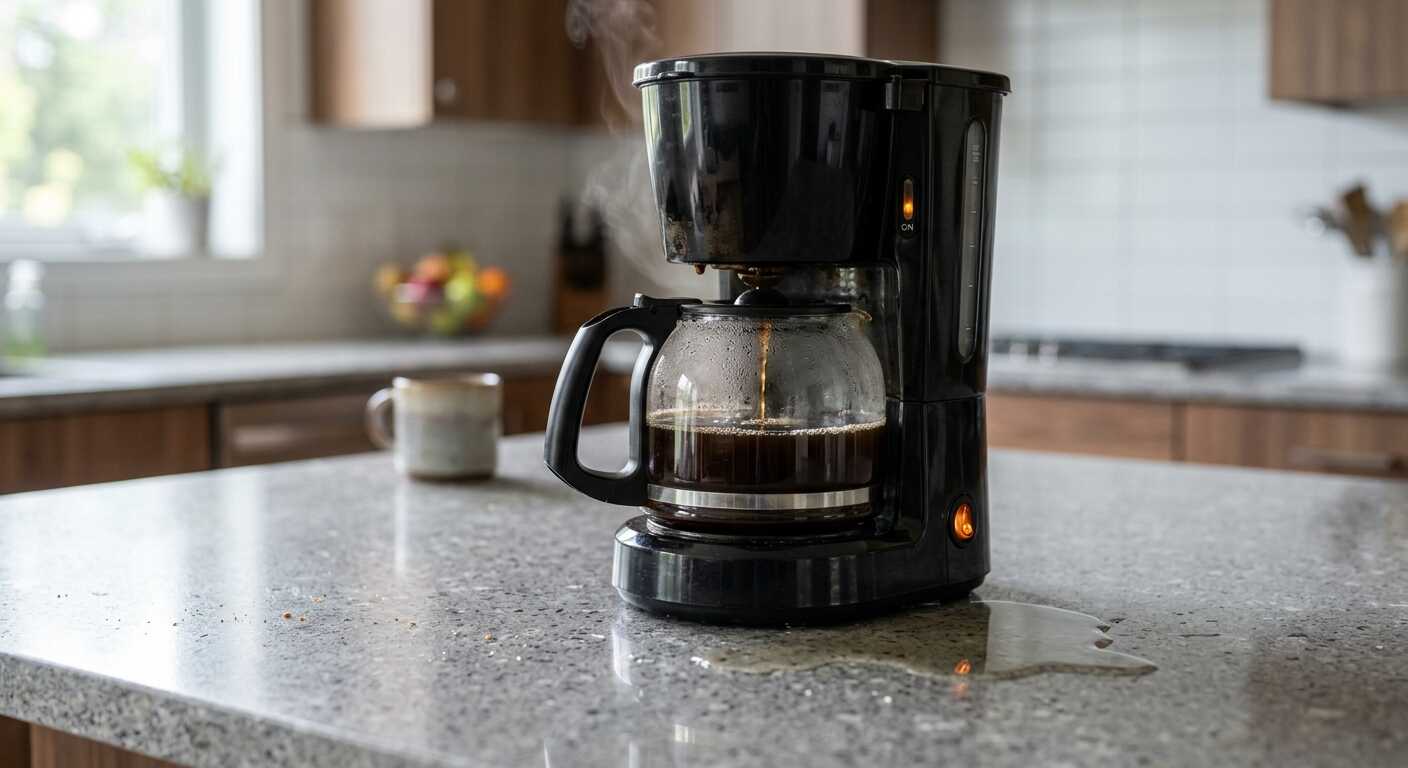
A coffee maker leaking water is most often caused by mineral buildup blocking internal tubing, a cracked water reservoir, an overfilled tank, or a worn gasket/seal. Start by checking the water level, inspecting the reservoir for cracks, and descaling the machine — these three checks resolve most leaks.
Safety Note
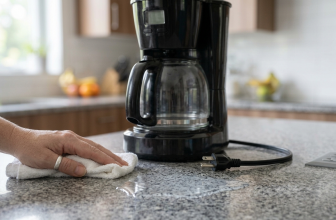
Always unplug your coffee maker before inspecting it for leaks, especially if water has come into contact with the base or power cord. Never operate a coffee maker that shows water pooling near electrical components — this is a shock hazard. Let the machine cool completely before touching any internal parts.
Why It Happens
Coffee makers use a network of internal tubing, a water reservoir, and a heating chamber to move water from the tank to the brew basket. When any part of that path is cracked, blocked, or improperly sealed, water escapes instead of following its intended path — leading to leaks at the base, sides, or underneath the machine.
Is It Safe to Keep Using?
A small, occasional drip is usually not dangerous, but you should stop using the machine if: water is pooling near the power cord or outlet, the leak is increasing in volume, or you notice the base feels wet even when the machine isn’t brewing. Continuing to use a leaking coffee maker near electrical outlets is a fire and shock risk.
7 Common Causes & Fixes
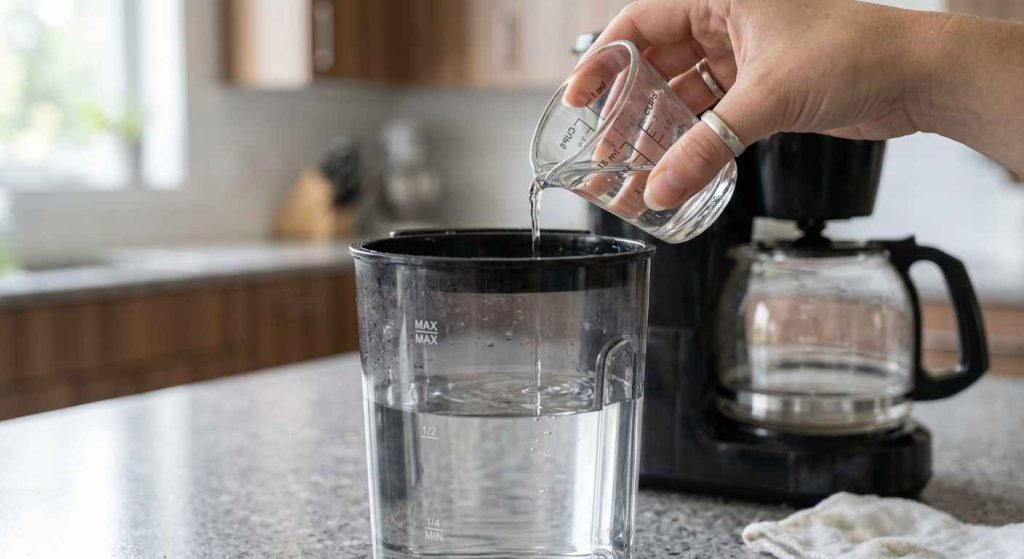
1. Overfilled Water Reservoir Filling past the max-fill line causes overflow during heating and expansion. Always fill to at or below the marked line, and check your model’s specific capacity.
2. Mineral Buildup (Scale) Blocking Internal Tubes Hard water leaves mineral deposits that can block or crack internal tubing over time, forcing water to leak out through weak points. Descale your machine every 1–3 months depending on water hardness (see our full descaling guide below).
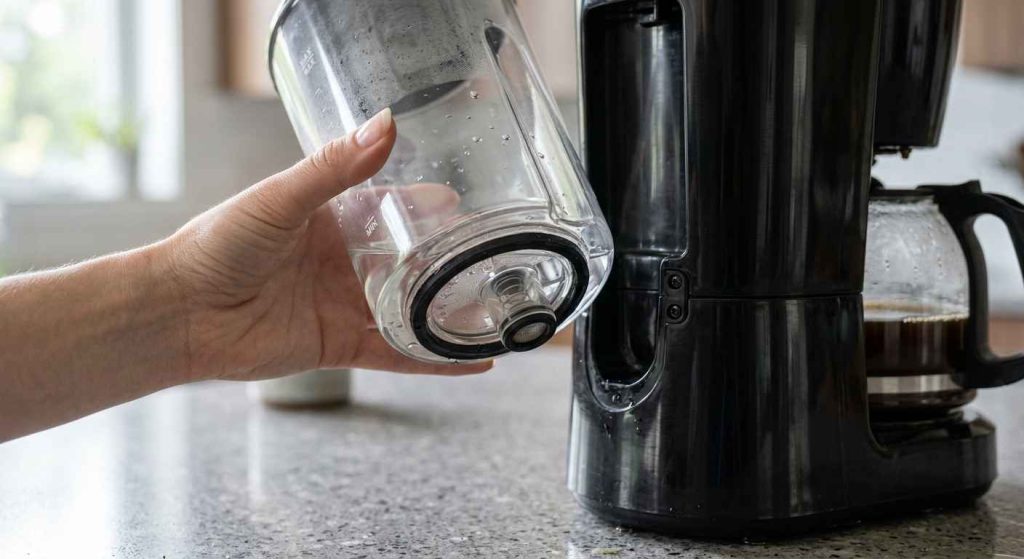
3. Cracked or Warped Water Reservoir Reservoirs are usually plastic and can crack from age, heat stress, or being dropped. Inspect the tank closely — even hairline cracks cause slow leaks. If cracked, the reservoir typically needs replacing.
4. Worn or Misaligned Rubber Gasket/Seal The gasket seals the reservoir to the machine body. Over time it can harden, shrink, or shift out of place. Remove and reseat the gasket, or replace it if it looks cracked or flattened.
5. Clogged Drip Basket or Filter Area Coffee grounds or old filter debris can clog the drip area, causing water to back up and overflow the sides. Clean the brew basket and filter holder thoroughly after each use.
6. Loose or Damaged Water Line Connections In machines with internal hoses (common in higher-end drip machines and some single-serve models), a loose connection point can leak internally, showing up as water pooling at the base.
7. Using the Wrong Filter Size An incorrectly sized paper filter can collapse or fold over during brewing, causing water to overflow the basket instead of draining into the carafe. Always match filter size to your machine’s specifications.
Troubleshooting Table
| Symptom | Likely Cause | Fix |
|---|---|---|
| Leak appears right after filling | Overfilled reservoir | Fill to max-line only |
| Slow leak that worsens over weeks | Mineral scale buildup | Descale the machine |
| Water pools even when not brewing | Cracked reservoir | Inspect tank, replace if cracked |
| Leak at the base of the reservoir | Worn gasket/seal | Reseat or replace gasket |
| Water overflows brew basket | Clogged filter area or wrong filter size | Clean basket, check filter size |
| Leak appears only during brewing | Loose internal water line | Contact manufacturer support |
Prevention Tips
- Descale every 1–3 months, more often if you have hard water
- Never fill past the max-fill line
- Clean the drip basket and filter area after every use
- Use filtered or bottled water if your tap water is very hard
- Inspect the gasket/seal every few months for wear
- Always use the correct filter size for your specific model
Expert Tip
If your coffee maker only leaks during the first cup after it’s been sitting unused for a few days, this is often a sign of a slightly dried-out gasket. Running a full brew cycle with plain water (no coffee) can rehydrate the seal and stop the leak without needing a replacement part.
When to Replace the Machine
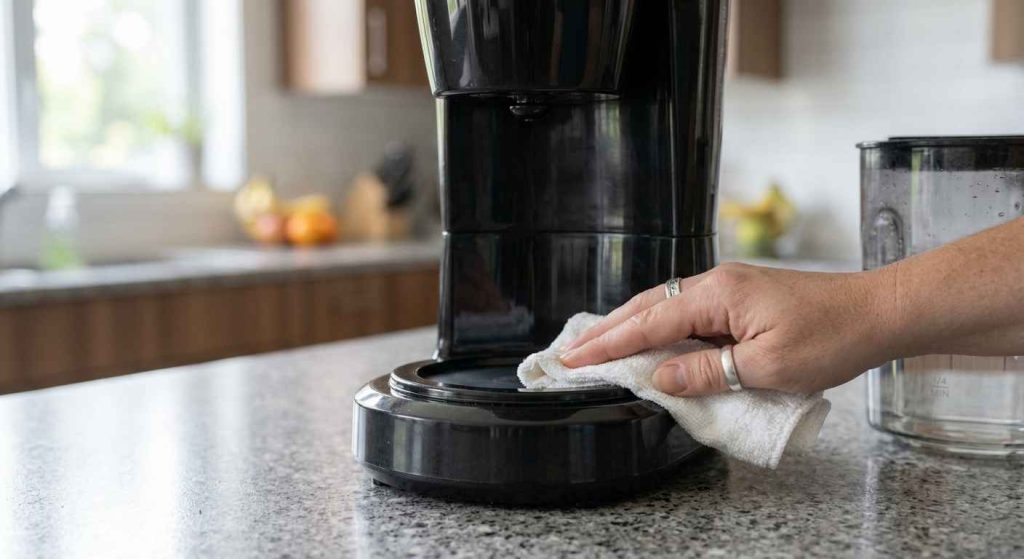
If you’ve descaled, checked the reservoir, and replaced the gasket but the leak continues — especially if it’s coming from inside the machine’s housing rather than the reservoir — it’s usually more practical to replace the unit than attempt further repairs, particularly for budget and mid-range machines.
Frequently Asked Questions:
1. Why is my coffee maker leaking from the bottom? This is most often a cracked reservoir or a worn gasket where the tank meets the machine body. Inspect both closely.
2. Can hard water cause my coffee maker to leak? Yes — mineral buildup from hard water is one of the leading causes of leaks over time, as it can block or stress internal tubing.
3. Is it safe to keep using a coffee maker that leaks a little? Only if the leak is minor and nowhere near the power cord or outlet. Any leak near electrical components should stop use immediately.
4. How often should I descale to prevent leaks? Every 1–3 months for most households, or monthly if you have hard water. Check our full descaling guide for a step-by-step process.
5. Why does my coffee maker leak only when I use it, not when it’s idle? This points to a brewing-cycle issue — likely an overfilled reservoir, wrong filter size, or a clogged drip basket causing overflow during active brewing.
6. Can I fix a cracked water reservoir myself? Generally no — plastic reservoir cracks can’t be reliably sealed and usually require a replacement part from the manufacturer.
7. Does the type of filter I use affect leaking? Yes — an incorrectly sized filter can fold over and cause water to overflow the basket rather than filtering through properly.
8. My coffee maker is brand new and already leaking. What should I do? This likely points to a manufacturing defect. Contact the manufacturer or retailer for a warranty replacement rather than attempting repairs.
Conclusion
A coffee maker leaking water is almost always caused by one of a few common, fixable issues — an overfilled tank, mineral buildup, or a worn seal. Working through the checks above will resolve the vast majority of leaks without needing a replacement machine.
🛒 Recommended Products
- Tupkee Descaler Solution (2-Pack) — safe, odorless descaler that clears the mineral buildup responsible for many slow leaks, faster and gentler than vinegar
- GOLDTONE Reusable 8-12 Cup Basket Coffee Filter — eliminates the wrong-filter-size overflow issue entirely, since it’s a permanent, properly fitted filter
Affiliate Disclosure: This article may contain affiliate links. If you purchase through one of these links, Smart Kitchen Vibe may earn a small commission at no additional cost to you.
Recommended Guides:
- Why Is My Coffee Maker Brewing Slowly? 7 Causes & Easy Fixes
- Coffee Maker Not Brewing Hot Enough? 7 Causes & Easy Fixes
- How to Descale a Coffee Maker Properly: Complete Step-by-Step Guide
- Why Is My Coffee Maker Not Turning On? 7 Causes & Easy Fixes
References
- NSF International: Water Hardness and Appliance Maintenance
- Manufacturer support documentation (Keurig, Cuisinart, Breville, Ninja)
Editorial Note
Reviewed by the Smart Kitchen Vibe Editorial Team
Leak location is the fastest way to diagnose this issue — a leak at the base almost always points to the reservoir or gasket, while a leak during active brewing usually points to the filter or drip basket. This guide is organized around that distinction rather than generic troubleshooting steps, based on common causes across major drip coffee maker brands.