
Why Is My Nutribullet Leaking from the Bottom? (5 Easy Fixes)

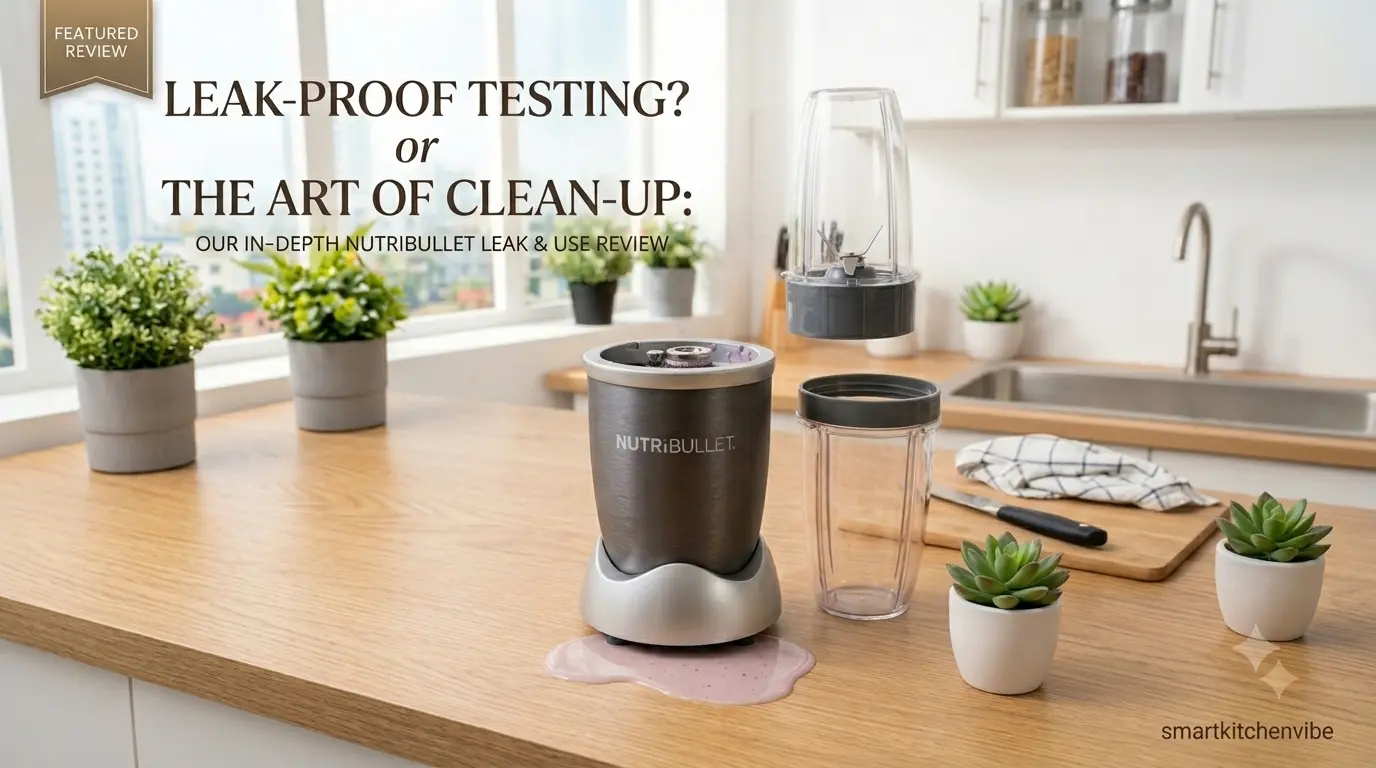
If your NutriBullet is leaking from the bottom, the problem is usually a worn silicone gasket, an overfilled cup, or a damaged blade assembly. In most cases, you can fix it without replacing the entire blender. This guide explains the most common causes, how to identify them, and the safest way to stop the leak.
Quick Answer
If you are wondering why is my nutribullet leaking from the bottom of the blade assembly, the most common cause is a loose, misaligned, or degraded silicone rubber gasket inside the blade lid. Overfilling the cup past the MAX line, cross-threading the lid, or a cracked central bearing seal can also cause liquids to seep down into the power base. To fix it instantly, inspect the rubber gasket ring, ensure ingredients stay below the MAX line, and replace the blade lid if liquid is leaking from the central metal spindle.
Safety Note
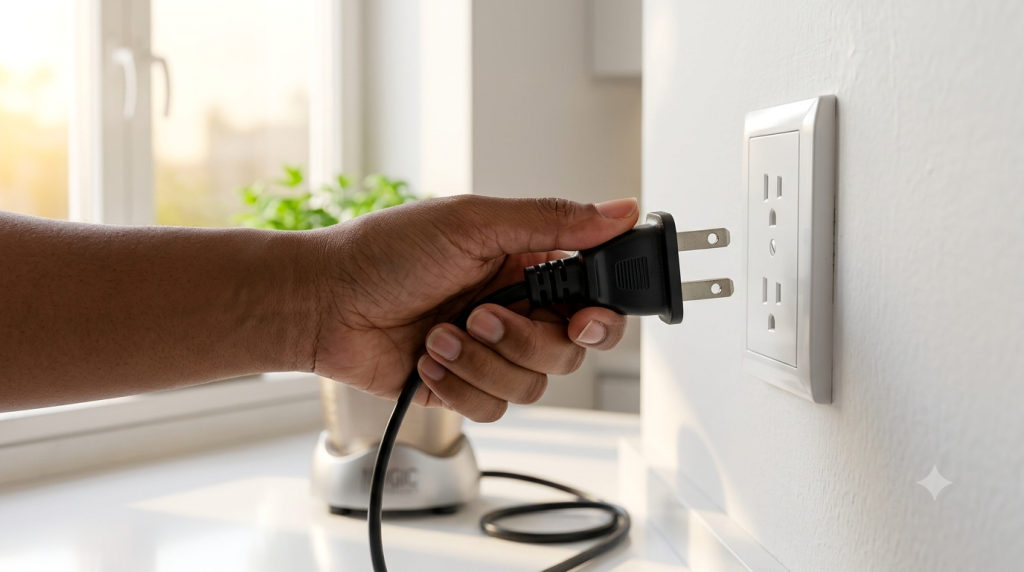
⚠️ CRITICAL SAFETY WARNING: Always unplug the NutriBullet power base immediately if liquid spills into the top motor rim. Never operate a blender if liquid has seeped inside the mechanical housing, as this creates an electrical hazard and can burn out the motor. Allow the base to dry completely before plugging it back in.
Why It Happens
The NutriBullet relies on a tight mechanical seal between the plastic cup lip, the silicone O-ring gasket, and the threaded extractor blade housing to contain liquids under extreme speed and pressure.
When you blend, the high-speed cyclonic motion creates positive pressure inside the cup. If the silicone gasket loses elasticity, if the cup is cross-threaded, or if the internal bearing seal under the steel spindle degrades, this pressure forces liquid out of the weakest boundary point—causing liquid to leak directly onto the drive gear and into the base slots.
Is it safe to use a NutriBullet if it is leaking from the bottom?
It depends on the type of leak:
- Safe to handle after unplugging: Clear liquid or smoothie leaking around the cup threads is safe to clean once the power base is disconnected.
- Unsafe (Stop Immediately): If you see dark brown, rusty, or black greasy liquid under the spindle, or if liquid has seeped deep into the power base motor housing, stop using the unit immediately. Operating a wet base risks electrical shock, motor corrosion, or permanent short-circuiting.
7 Common Causes (Ranked by Likelihood)
Based on how often each issue actually comes up, check these in order:
Most leaks are caused by worn seals or incorrect assembly rather than a defect in the motor itself. Start with the first two causes before replacing any parts.
- Loose or Misaligned Silicone Gasket
- Degraded or Stretched Gasket
- Overfilling Past the MAX Fill Line
- Cross-Threaded Blade Lid
- Blown Bearing Seal (Leaking Brown or Dark Liquid)
Why Is My NutriBullet Leaking From the Bottom? 5 Main Causes & Fixes
1. Loose or Misaligned Silicone Gasket
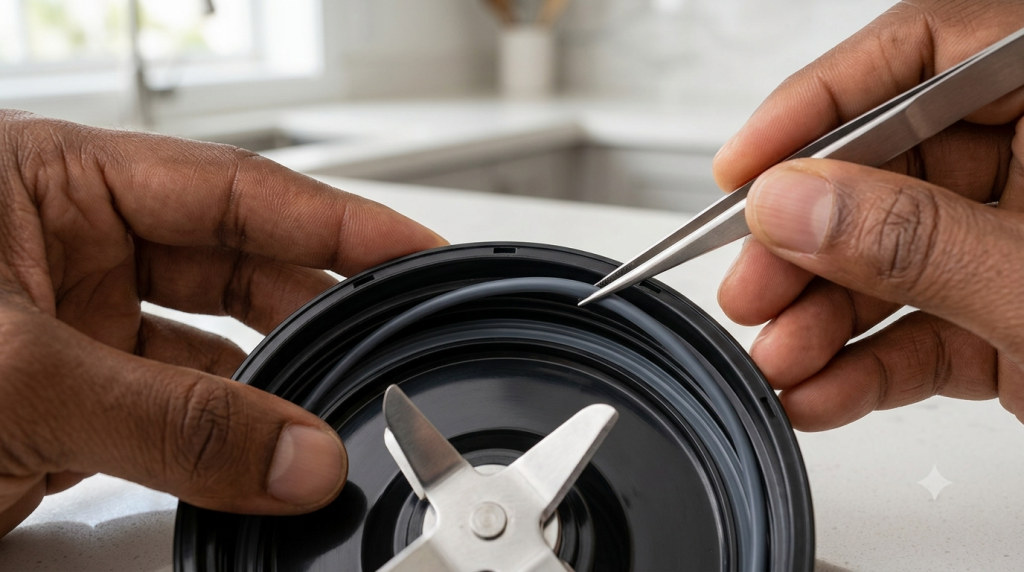
Inside the underside rim of every NutriBullet extractor blade lid lies a flexible silicone or rubber O-ring gasket.
- How to Fix: Unplug the unit, unscrew the blade lid, and use a dull knife or tweezers to gently lift out the silicone gasket. Wash the gasket and channel thoroughly with warm water, then reseat it flat and flush inside its groove. why is my nutribullet leaking from the bottom after washing?
2. Degraded or Stretched Gasket
Continuous exposure to heat and acidic ingredients permanently expands or cracks the rubber seal over time.
- How to Fix: Replace the degraded silicone gasket with a new food-grade O-ring seal. Always ensure you purchase gaskets specific to your NutriBullet model size (e.g., 600W, 900W, or Pro).
3. Overfilling Past the MAX Fill Line
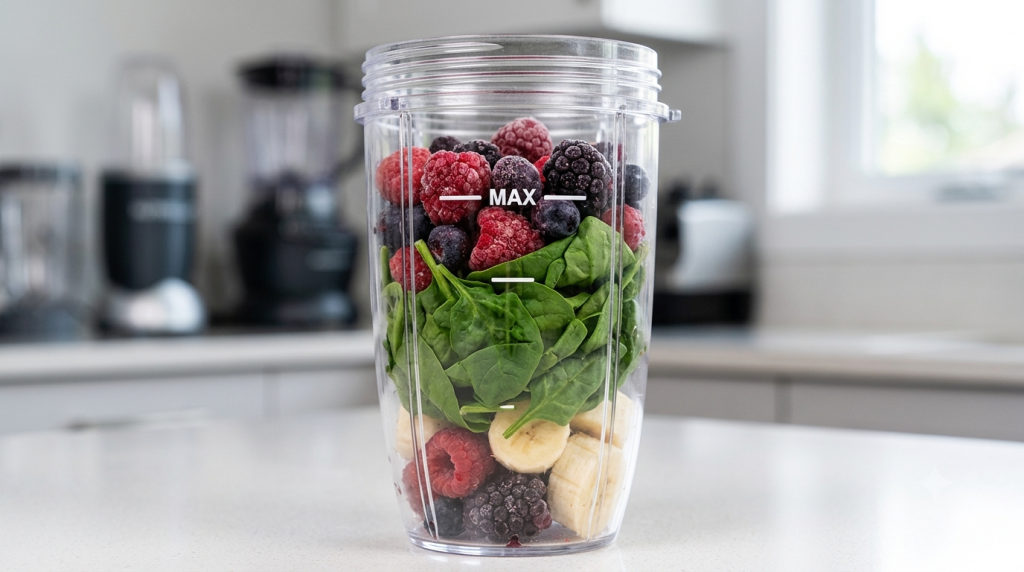
Excess pressure from an overfilled cup forces liquid past even healthy rubber gasket seals during blending.
- How to Fix: Always leave at least 1 to 2 inches of empty space at the top of the cup and never fill ingredients past the solid MAX mark.
4. Cross-Threaded Blade Lid
When rushing, it is easy to screw the blade lid onto the cup at a slight angle, leaving microscopic gaps along the threads.
- How to Fix: Set the cup on a flat surface, place the blade lid on top, turn it counter-clockwise until you hear a soft “click” (indicating aligned threads), then screw clockwise until hand-tight.
5. Blown Bearing Seal (Leaking Brown or Dark Liquid)
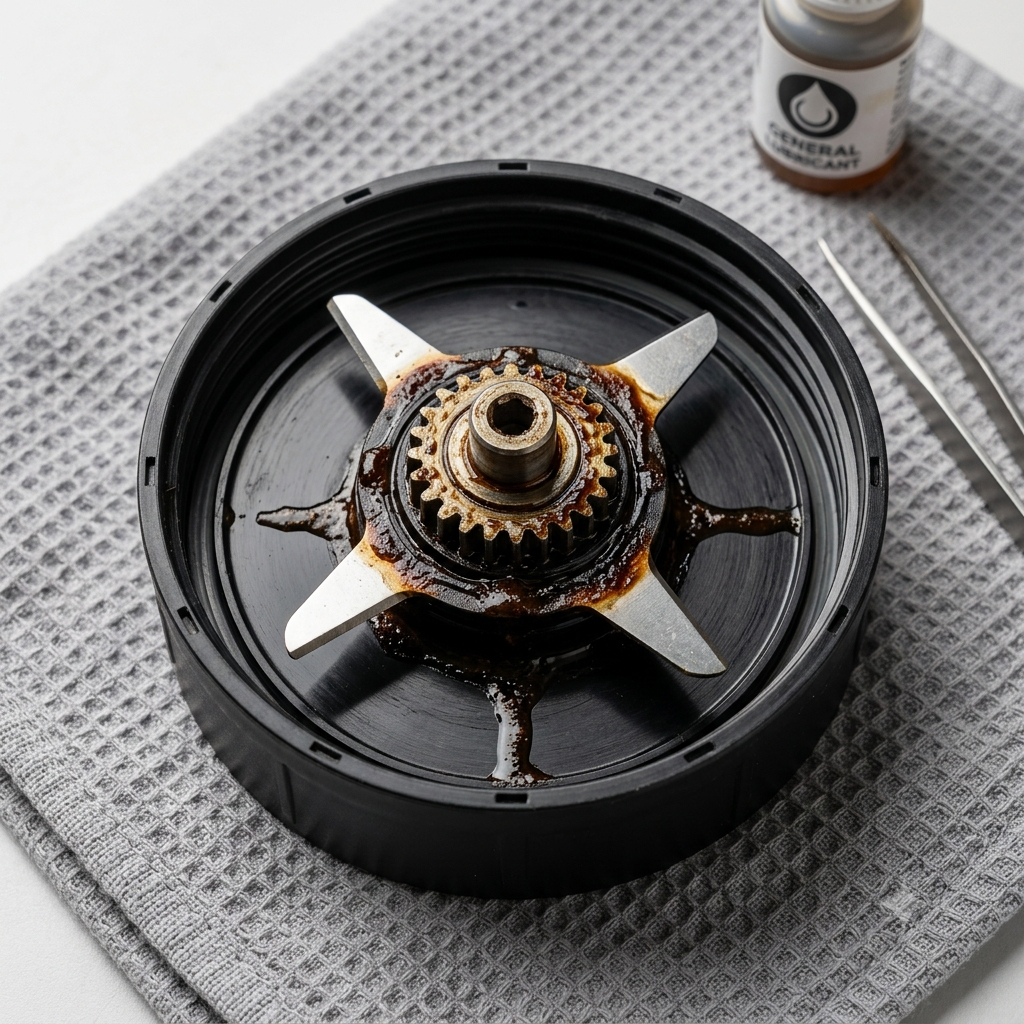
If you are wondering why is my nutribullet leaking from the bottom with dark brown or rust-colored liquid, it indicates a failed bearing seal under the central spindle.
**How to Fix:** Discard the blade lid safely and replace the entire extractor blade assembly with a new one.
Step-by-Step Fixes
- Check Gasket Seating: Ensure the rubber O-ring sits completely flat in the inner rim.
- Inspect for Bearing Leaks: Flip the blade assembly over and check for rust or grease near the bottom spindle.
- Adjust Fill Levels: Keep ingredients strictly below the MAX line to reduce internal pressure.
- Hand-Tighten Securely: Avoid over-tightening or cross-threading the cup lid.
- Clean Base Activation Slots: Use a cotton swab with rubbing alcohol to dry and clean the motor base.
Troubleshooting Table
| Leaking Liquid Type | Observed Location | Root Cause | Recommended Quick Fix |
|---|---|---|---|
| Clear / Smoothie Liquid | Around the outside cup threads | Loose, twisted, or dirty gasket | Remove, clean, and reseat the gasket flush. |
| Clear / Smoothie Liquid | Dripping down cup sides into slots | Overfilled cup or cross-threaded lid | Reduce contents below the MAX line; re-thread lid |
| Dark Brown / Rusty Grease | Directly under the central metal spindle | Blown internal bearing seal | Replace the extractor blade assembly immediately |
| Liquid pooling inside the base | Bottom of power base onto counter | Liquid seeping through sticky activation slots | Unplug, dry the base completely, and clean the slots with alcohol. |
Prevention
Avoid overtightening the blade assembly, as excessive force can compress or damage the silicone gasket over time.
- Never Blend Hot Liquids or Carbonated Drinks: Heat and pressure from hot soups or soda will explode the seal, forcing hot liquid out the bottom.
- Hand-Wash Blade Lids Only: High dishwasher heat warps plastic housings, dries out silicone gaskets, and strips internal bearing grease.
- Inspect Gasket Channel Before Every Use: Make it a habit to check that the silicone ring is seated completely inside its groove before blending.
- Wipe Spills Immediately: If liquid spills into the power base, unplug the unit and wipe it dry with a microfiber cloth before liquid enters the motor housing.
Expert Tips
If you remove the gasket for cleaning, inspect it carefully before reinstalling. Even a small tear or twist can create a leak once the blender reaches full speed.
- The Toothpick Technique: Use a wooden toothpick (instead of metal forks or sharp knives) to remove the rubber gasket for cleaning. Metal tools can nick or tear the silicone, causing microscopic leak paths.
- Keep Spare Gaskets on Hand: Silicone seals naturally degrade over 6 months of daily use. Keeping a cheap multi-pack of replacement gaskets in your kitchen drawer ensures you’ll never be stuck with a leaking blender on a busy morning.
Frequently Asked Questions (FAQs)
Q1: Why is my NutriBullet leaking brown liquid from the bottom?
Brown or rust-colored liquid dripping from the bottom center of your blade lid means the internal metal bearing seal has failed. Smoothie liquid has entered the bearing chamber, rusting the steel ball bearings and leaking dirty grease. The entire blade assembly must be replaced.
Q2: Can I wash NutriBullet rubber gaskets in the dishwasher?
It is not recommended. Dishwasher heating elements can shrink, warp, or dry out silicone gaskets, causing them to lose elasticity and leak. Hand-wash gaskets in lukewarm water and let them air dry.
Q3: How tight should I screw the NutriBullet blade lid?
Screw the blade lid on hand-tight until you meet firm resistance. Avoid using tools or extreme force, as over-tightening can crush the rubber gasket or crack the plastic cup threads, causing leaks.
Q4: Why does my NutriBullet leak even with a new gasket?
If it continues to leak with a fresh gasket, check if the plastic cup lip is chipped or warped. Alternatively, you may be overfilling the cup past the MAX line, creating excess internal pressure during blending.
Conclusion
Understanding why is my nutribullet leaking from the bottom is the first step toward fixing a messy kitchen headache. In most cases, resolving the issue requires nothing more than reseating a rubber gasket, keeping ingredients below the MAX fill line, or replacing a worn blade lid. Taking action quickly prevents liquid from ruining your motor base and keeps your blender performing like new.
If you’ve fixed the leak, take a few extra minutes to inspect the blade assembly and clean the power base before your next smoothie. Regular maintenance helps prevent future leaks and extends the life of your NutriBullet.
Replacement Tip
If your NutriBullet is leaking from the bottom, inspect the blade assembly, gasket/seal, cup threads, and any cracks before replacing the entire blender. If the gasket is loose or damaged, NutriBullet recommends replacing the blade assembly rather than attempting to remove or replace the factory-sealed gasket.
👉 Check Compatible NutriBullet Replacement Blades
Product availability and compatibility vary by NutriBullet model.
Recommended Guides
- NutriBullet Smart Touch Blender Combo Review
- NutriBullet Blade Not Turning? Causes & Fixes
- How to Clean and Maintain Your Smart Blender
References
- NutriBullet Official User Manuals & Safety Care Guides — NutriBullet Support
- Small Kitchen Appliance Sealing & Gasket Maintenance Standards.
Editorial Note
Base leaks in NutriBullet blenders are most often a seal or gasket issue rather than a crack in the pitcher itself. This guide is based on the gasket replacement guidance in NutriBullet’s official product manuals.




[…] Why Is My NutriBullet Leaking From the Bottom? […]