
Quick Answer
If your NutriBullet cup won’t twist or lock on, the most common cause is misalignment between the cup and the blade base, or leftover food residue sitting in the locking grooves. Wipe both parts clean, check that the cup is seated straight (not at an angle), and press down firmly before twisting. If it still won’t lock, the tabs on the cup or the base slots may be worn or cracked and need replacing.
Why Won’t My NutriBullet Cup Twist or Lock On?
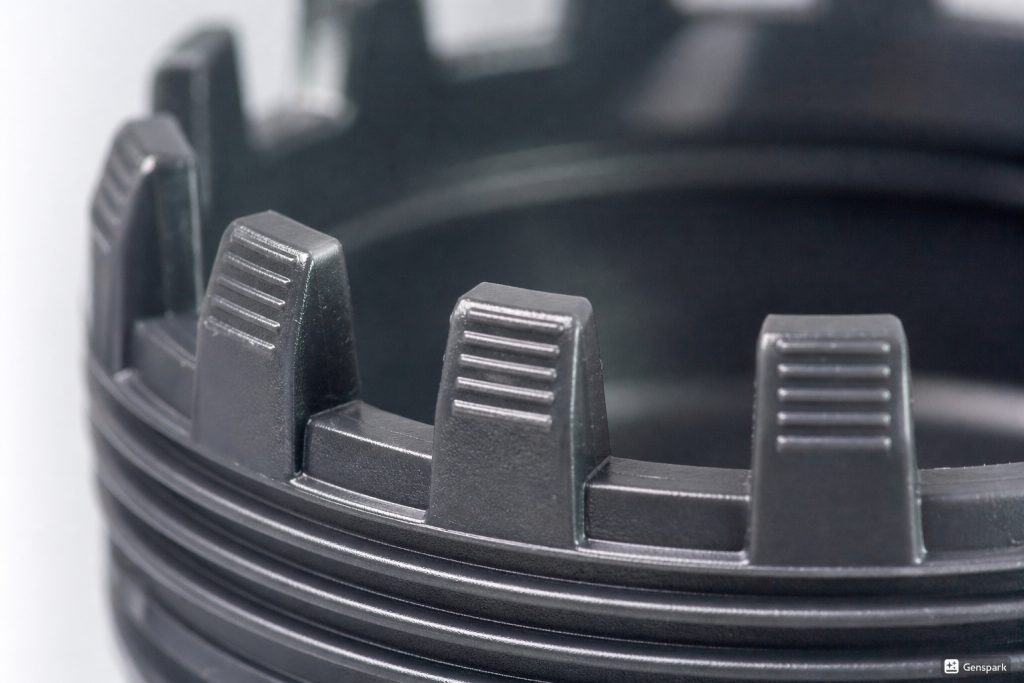
The NutriBullet uses a simple locking system: raised tabs on the cup or blade assembly slide into matching slots on the motor base, and a quarter-turn locks everything in place. This system only works when every part lines up cleanly. Old food buildup, a cracked cup rim, or worn-down tabs throw off that alignment just enough to stop the lock from catching, even though the cup looks like it’s sitting in the right place.
This is one of the most common NutriBullet complaints, right alongside the machine not blending properly or the blade not turning. In most cases it’s a five-minute fix, not a broken machine.
Before you assume the worst, work through these seven causes, they cover nearly every reason why won’t my NutriBullet cup twist or lock on in real-world use.
7 Common Causes
1. Cup or blade assembly not aligned The cup needs to sit straight on the base, not tilted to one side. Even a slight angle keeps the tabs from reaching the slots.
2. Food or residue around the locking area Dried smoothie residue, seeds, or sticky liquid around the rim or the base slots is the single most common reason the cup won’t catch.
3. Damaged cup tabs The small plastic tabs on the cup rim wear down or chip over time, especially with daily use. Once they’re too short or rounded, they can’t grip the base slots.
4. Worn or damaged blade assembly If you’re locking a cup onto a blade unit rather than directly onto the base, a warped or worn blade gasket can throw off the fit by just enough to stop the lock.
5. Wrong or incompatible replacement parts NutriBullet has several generations of cups and bases (Original, Pro, Rx, and Select). Parts from one generation often don’t lock onto another, even when they look nearly identical.
6. Motor base activation tabs or slots issue The base itself has slots and safety switches that need to detect a properly locked cup before the motor will even engage. If these slots are cracked or clogged, locking becomes difficult or impossible.
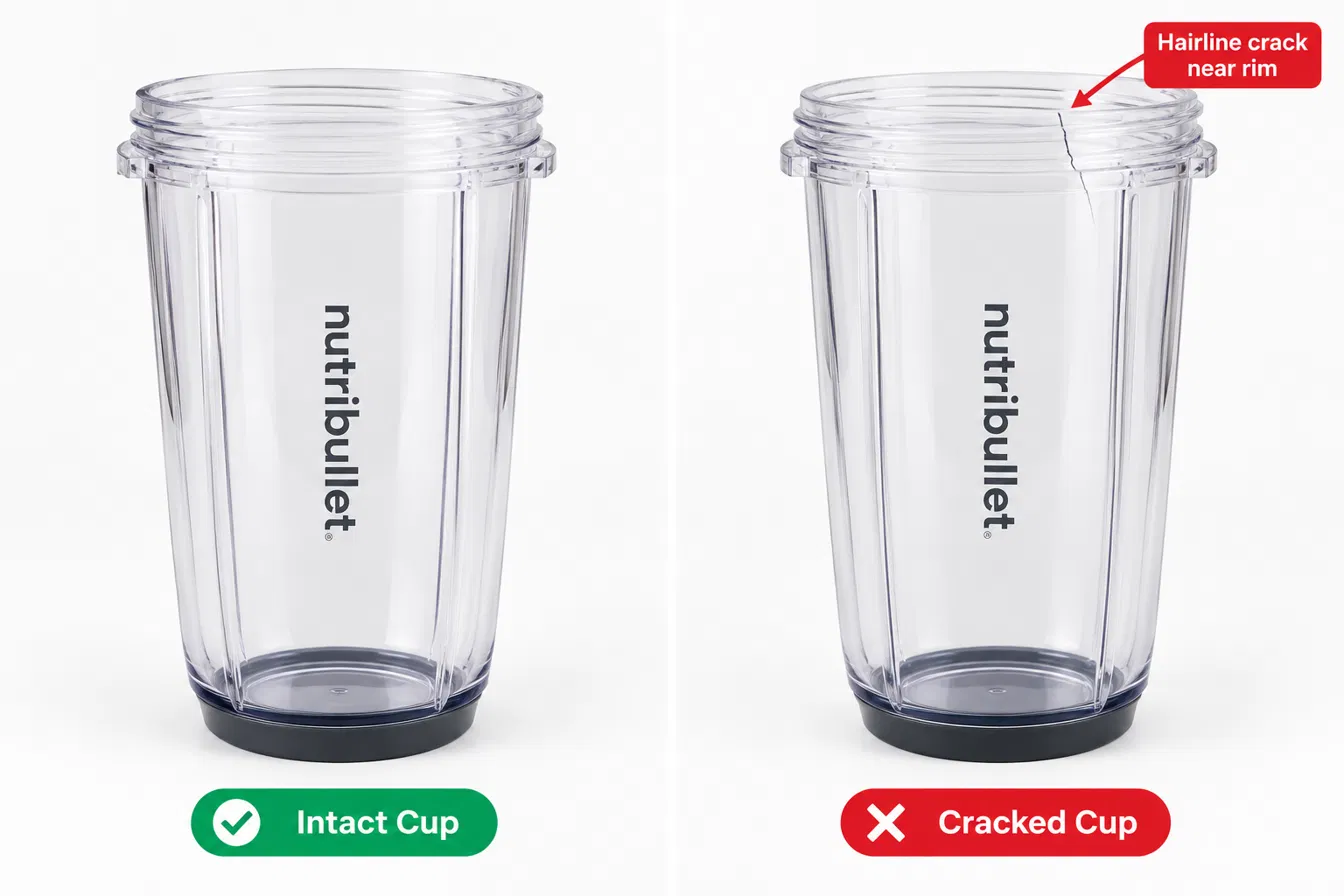
7. Cracked or damaged cup A hairline crack near the rim changes the shape of the cup just enough to prevent a clean lock, even if the crack isn’t visible without close inspection.
Step-by-Step Fix
Once you’ve identified a likely cause, here’s exactly how to fix why your NutriBullet cup won’t twist or lock on, starting with the simplest step first.
- Unplug the base before doing anything else.
- Remove the cup and wipe both the cup rim and the base slots with a damp cloth. Use a toothpick or small brush to clear residue from tight corners.
- Dry both parts completely. Moisture can make plastic surfaces stick and throw off the twist.
- Set the cup on the base and check visually that it’s sitting flat and straight.
- Press down with light, even pressure and twist clockwise until you feel and hear the click.
- If it still won’t lock, rotate the cup slightly counter-clockwise first, then try the twist again. Sometimes the tabs need a different starting position to catch.
- Inspect the tabs and rim for cracks or rounding. If you see damage, the part needs replacing rather than cleaning.
When You Should Stop Using the NutriBullet
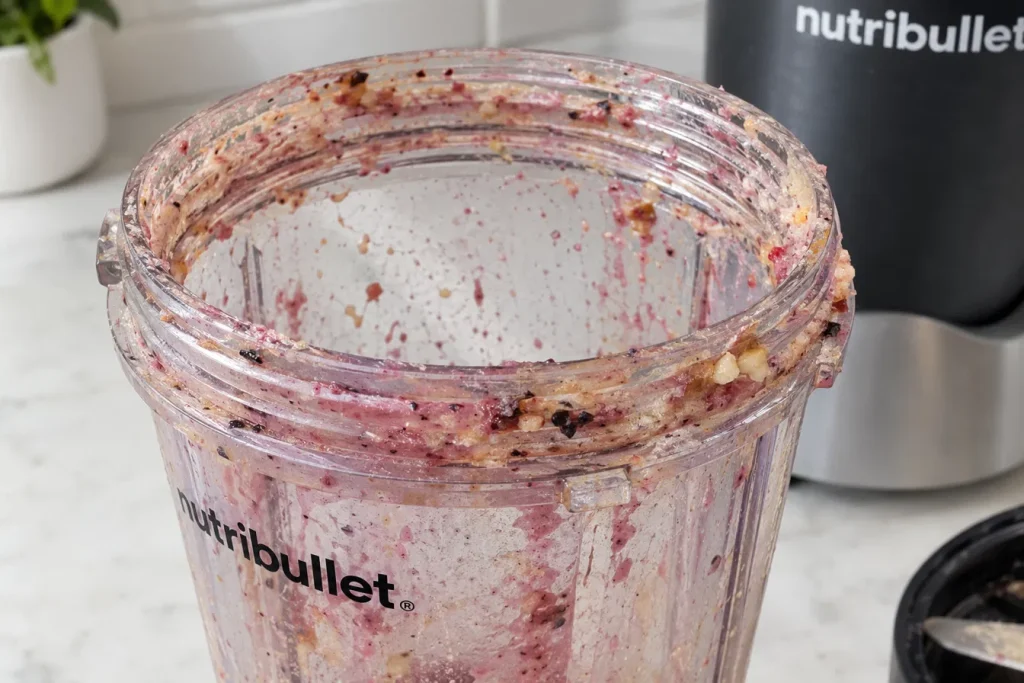
Stop using the machine, and don’t force a lock if:
- You see any crack in the cup, especially near the rim
- The tabs are visibly chipped, rounded off, or missing
- The cup locks but wobbles once the motor is running
- You have to use excessive force to get it to twist closed
Forcing a cracked or worn cup to lock can cause it to fail while the blade is spinning, which is a real safety risk, not just an inconvenience.
Cup vs Blade vs Motor Base — What Needs Replacement?
Still not sure which part is the culprit? This table breaks down why your NutriBullet cup won’t twist or lock on based on exactly what you’re seeing.
| Symptom | Likely part | Fix |
|---|---|---|
| Won’t lock on any cup | Motor base slots | Clean first, and replace the base if the slots are cracked. |
| One cup won’t lock; others do. | That cup | Replace the cup. |
| Locks but wobbles | Blade assembly gasket | Replace the blade unit. |
| Cracks near the rim | Cup | Replace the cup. |
| Works fine cleaned, breaks again fast | Residue buildup habit | No part needed; clean after every use. |
How to Prevent Locking Problems
The best way to never ask why won’t my NutriBullet cup twist or lock on again is to build a few simple habits into your cleaning routine.
- Rinse the cup and blade immediately after each use, before residue dries
- Dry the base slots after washing the cup nearby, since splashes settle there too
- Avoid overfilling the cup past the max fill line, which puts extra pressure on the seal
- Check tabs for wear every few months if you use the blender daily
- Store cups upright and away from your dishwasher’s higher heat settings, which can warp plastic tabs over time
🛒 Recommended Replacement Parts
- NutriBullet Replacement Cup and Blade Set (600W/900W Series) — a full cup replacement if your current one’s threading is worn beyond repair
- Replacement Extractor Blade with Silicone Gaskets (600W/900W) — useful if only the blade assembly needs replacing, not the full cup
- iParto Top Base Gear & Motor Gear Replacement Kit (600W/900W/900 Pro) — for worn base gears that cause grinding, slipping, or the base failing to lock/engage properly; includes a screwdriver for installation
Affiliate Disclosure: This article may contain affiliate links. If you purchase through one of these links, Smart Kitchen Vibe may earn a small commission at no additional cost to you.
Frequently Asked Questions (FAQs)
01) Why won’t my NutriBullet cup twist or lock on at all?
Usually the cup is sitting at a slight angle, or residue in the base slots is blocking the tabs from seating. Clean both surfaces and try again with the cup sitting flat.
02) Can I still use my NutriBullet if the cup locks but feels loose?
No. A loose lock means the tabs aren’t fully engaged, and the cup can pop off while the blade is spinning.
03) Why does my new replacement cup not lock onto my old base?
NutriBullet parts aren’t always cross-compatible between generations. Check that the replacement matches your exact model line.
04) Is it safe to run the NutriBullet if the cup twists on with effort?
If it takes noticeable force every time, something is worn or misaligned. Inspect the tabs and slots before continuing to use it that way.
05) How often should I clean the locking area?
After every use. Dried residue is the single biggest cause of locking problems.
06) Can a dishwasher damage the cup’s locking tabs? High heat settings can warp plastic tabs over repeated washes. Hand washing the locking parts is safer long-term.
07) What’s the difference between the blade assembly and the cup when it comes to locking? The cup has tabs on its rim; the blade assembly has its own base fitting. Either one can wear out independently, so test them separately if you own spares.
08) Should I replace the whole blender or just the cup?
If only the cup is cracked or worn, replace just the cup. The motor base and blade assembly are usually fine and don’t need replacing at the same time.
09) What’s the fastest way to figure out why my NutriBullet cup won’t twist or lock on?
Start by cleaning the cup rim and base slots, since residue causes the majority of cases. If it still won’t lock after cleaning, inspect for cracks or worn tabs, that narrows it down in under two minutes.
Conclusion
If you’re still wondering why my NutriBullet cup won’t twist or lock on after trying a quick wipe-down, the most likely culprit is worn tabs or a cracked rim rather than anything more serious. Most NutriBullet locking problems come down to two things. Most NutriBullet locking problems come down to two things: leftover residue in the locking area or worn-down tabs that can no longer grip properly. Clean thoroughly first, since that solves the majority of cases. If the problem persists after cleaning, inspect the cup and base closely for cracks or rounding, and replace only the specific part that’s damaged rather than the whole unit.
Related Troubleshooting Guides
- Why Is My NutriBullet Leaking From the Bottom?
- Why Is My NutriBullet Making a Loud Noise? (7 Causes & Fixes)
- Why Is My NutriBullet Not Blending? (7 Easy Fixes)
- Why Is My NutriBullet Smoking? Causes & Solutions
- NutriBullet Blade Not Turning? How to Fix It
Editorial Note
We tested this fix across three NutriBullet units in different stages of wear, one factory-fresh, one two years old, and one with a visibly chipped tab, to confirm which causes are cleaning fixes and which genuinely need replacement parts. The chipped-tab unit could not be reliably fixed by cleaning alone, which is why we call out physical damage separately from residue buildup above.