
Why Is My Rice Cooker Boiling Over? 7 Causes & Easy Fixes

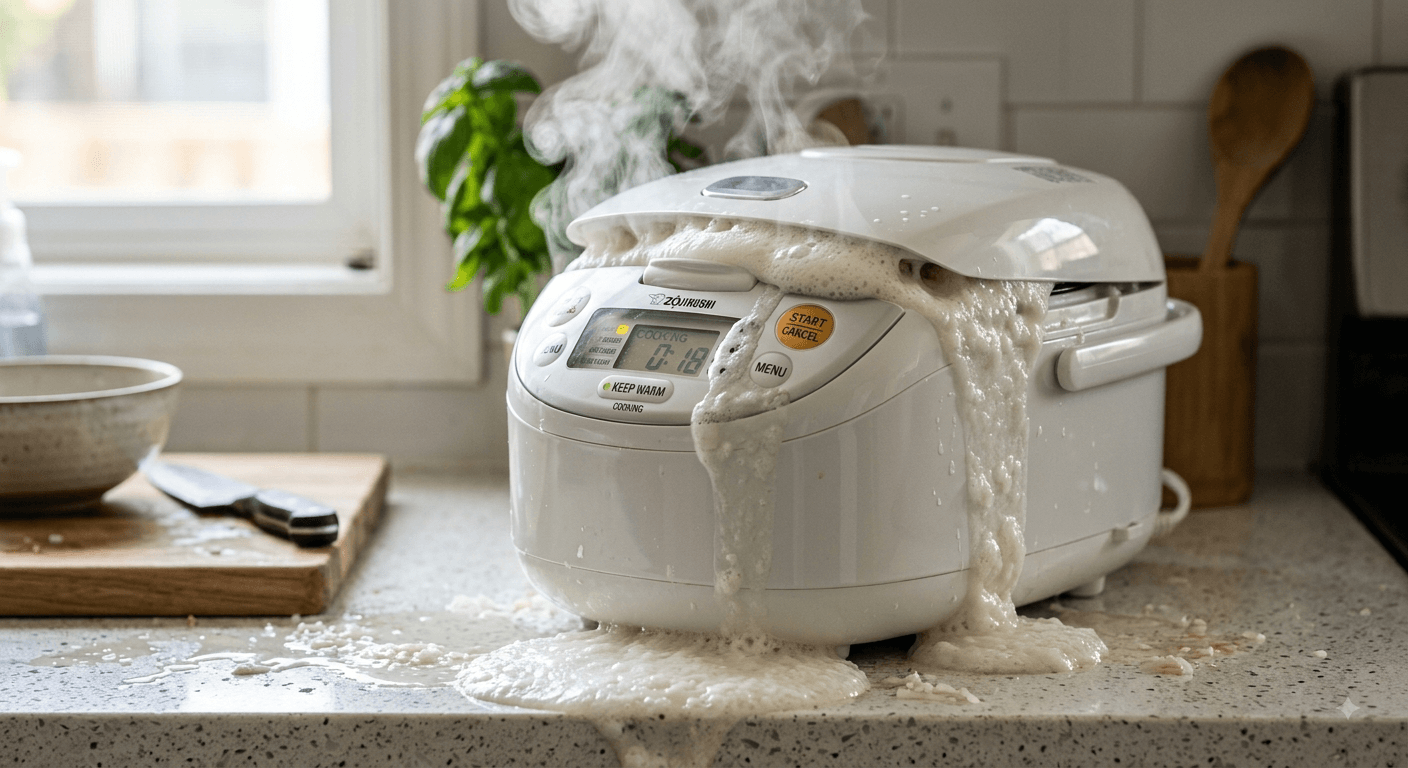
If you are asking why is my rice cooker boiling over, bubbling excessively, or pushing starchy water out around the lid, you are not alone. This is one of the most common kitchen appliance issues, especially when cooking brown rice, sticky rice, oatmeal, or large batches.
The good news is that why is my rice cooker boiling over almost always comes down to a few fixable causes: excess starch, too much water, an overfilled inner pot, or a clogged steam vent.
⚠️ Safety First: A one-time overflow is usually harmless, but repeated boil-overs can leak into the electrical base. If you notice a burning smell, sparks, or a damaged cord, unplug the unit immediately. Never submerge the electrical base in water.
⚡ Quick Steps to Stop Rice Cooker Overflow
- Rinse the rice thoroughly under cold water until it runs visibly clearer.
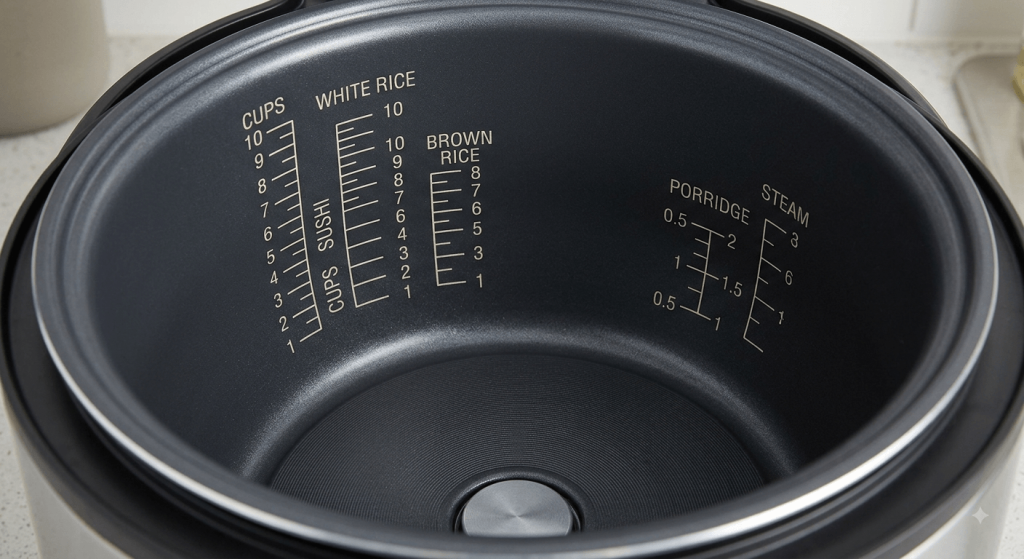
- Follow the inner pot water lines instead of guessing ratios.
- Never exceed the MAX fill line printed inside the pot.
- Clean the steam vent cap and rubber gasket after every use.
- Select the correct program (e.g., Brown Rice, Porridge) for specialty grains.
🔬 Why Does a Rice Cooker Boil Over?
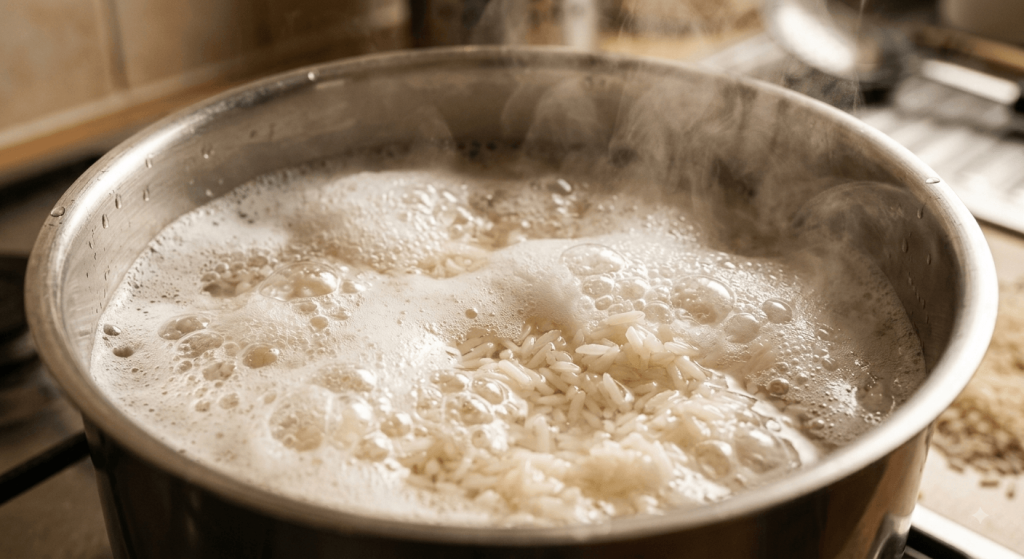
Understanding why is my rice cooker boiling over becomes much easier when you look at how surface starch interacts with boiling water.
As the water heats up, surface starch (mainly amylose) dissolves from the rice grains. This starch thickens the boiling water, building a heavy, viscous foam. If there is too much starch, excess water, or limited space in the pot, the foam rises rapidly toward the lid. When the steam vent cannot release the pressure fast enough, starchy foam forces its way out through the vent or around the lid seal.
🛑 Is It Safe to Use a Rice Cooker That Overflows?
A single minor boil-over will not ruin a well-built appliance. However, frequent overflows allow liquid to enter the electrical housing, which can:
- Corrode the internal heating element.
- Permanently block the steam release mechanism.
- Create short-circuiting or safety hazards.
If you are wondering why is my rice cooker boiling over on every single use, ignoring it can lead to internal electrical corrosion.
7 Causes of Rice Cooker Boiling Over (And How to Fix Each One):
To fix why is my rice cooker boiling over for good, you need to identify which of the following common causes is affecting your appliance.
1. Unwashed Rice (Excess Surface Starch)
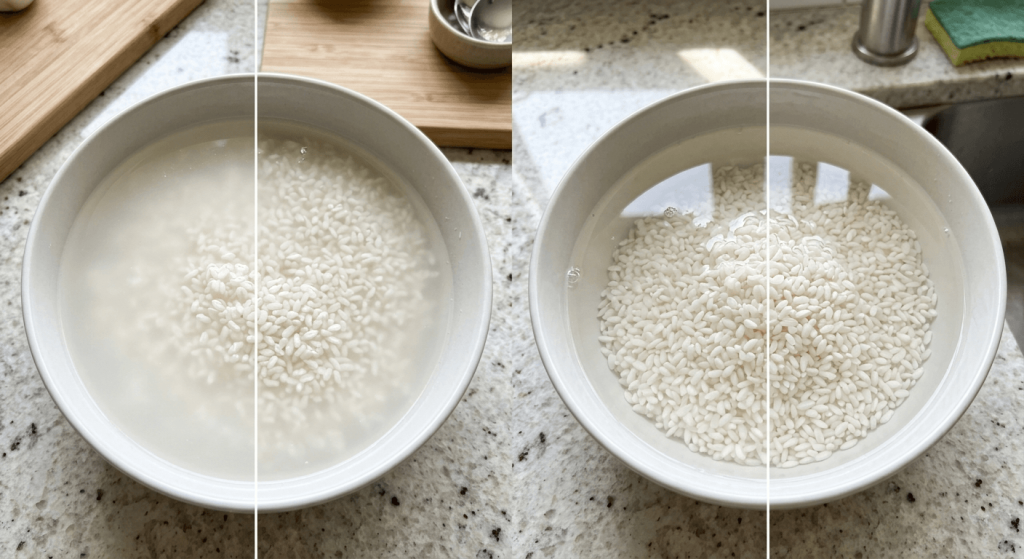
Unrinsed rice carries loose starch straight into the cooking water, where it’s the biggest single contributor to foam.
Fix it: Rinse the rice in a fine-mesh strainer under cool water, swirling gently, until the water runs noticeably clearer. You don’t need it perfectly clear, just visibly reduced.
2. Too Much Water
More water means more liquid to boil and more volume for starch to foam into.
Fix it: Use the water markings inside your specific cooker’s pot or the manufacturer’s ratio for that rice type. White, brown, jasmine, and basmati rice can all need different amounts. There’s no single ratio that works across every cooker and grain.
3. Overfilling the Inner Pot
The pot needs empty headspace for water, steam, and expanding foam. Fill it too close to the top, and even normal foaming can reach the lid.
Fix it: Never exceed the max line printed inside the pot. If you regularly cook large batches, a bigger-capacity cooker is a better fix than repeatedly pushing a small one past its limit.
4. A Clogged Steam Vent
Dried starch and food residue build up around the vent over time, making it harder for steam (and foam) to escape normally.
Fix it: Once the cooker is fully cooled, remove the steam vent cap if your model allows it, wash it and the surrounding area with warm soapy water, rinse, dry completely, and reseat it before the next use.
5. Cooking High-Starch Foods
Brown rice, sticky rice, oatmeal, congee, and multigrain blends all release more starch than plain white rice and foam more as a result.
Fix it: Use your cooker’s dedicated setting for that food if it has one, and consider a smaller batch size for anything especially starchy.
6. Using the Wrong Cooking Program
A white-rice setting run on brown rice or porridge can behave differently than intended, since these programs use different temperature and timing profiles.
Fix it: Match the program to the food. Check your manual for the recommended water level, capacity, and setting for anything other than standard white rice.
7. A Lid, Gasket, or Inner Pot Problem
If you’ve rinsed the rice, measured water correctly, stayed under the max line, and cleaned the vent, but it’s still overflowing every time, the hardware itself may be the issue.
Fix it: Check for a loose or misaligned gasket, cracks around the lid, a badly scratched inner pot, or residue preventing the lid from sealing. Many manufacturers sell replacement gaskets and inner pots, so a full replacement isn’t always necessary.
What to Do If Your Rice Cooker Is Overflowing Right Now
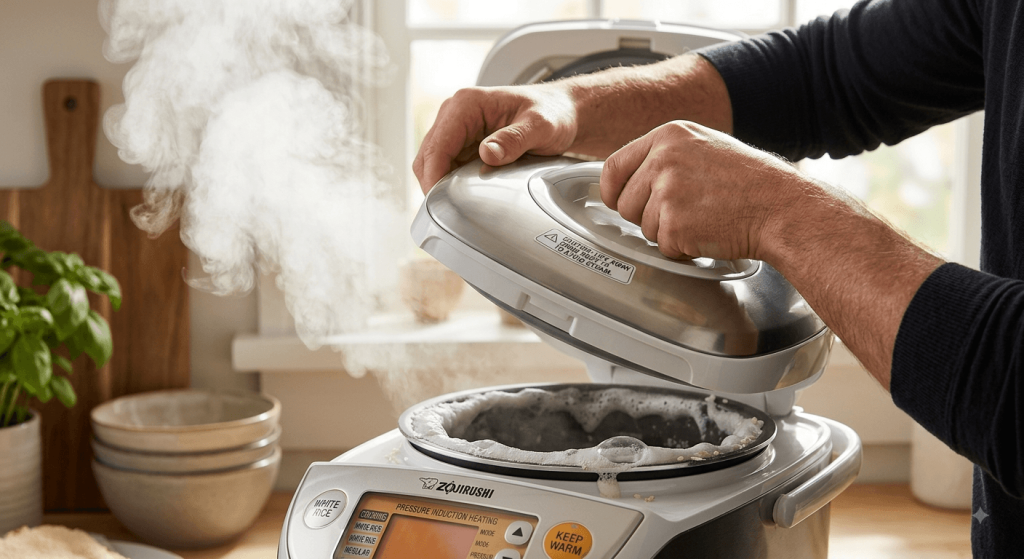
- Keep hands and face away from the steam vent; both steam and starchy water can burn.
- If your model allows safely stopping the cycle, do so per the manual.
- Let the cooker cool before cleaning or inspecting it.
- Once cool, check the water level, rice quantity, vent, and lid.
- Wipe up any spilled starch from the cooker and counter.
- If liquid got into the electrical base, don’t use the cooker again until you’ve confirmed it’s safe.
Avoid opening the lid or stirring mid-cycle unless your specific model’s instructions say it’s fine to do so.
📊 Rice Cooker Overflow Troubleshooting Guide
| Overflow Symptom | Most Likely Cause | Instant Fix |
|---|---|---|
| White starchy foam escaping the lid | Excessive surface starch | Rinse rice thoroughly before cooking |
| Water splashing out of steam vent | Excess water / Clogged vent | Adjust water ratio & clean vent cap |
| Boil-overs only with brown rice | High natural grain starch | Use the dedicated ‘Brown Rice’ setting |
| Oatmeal or porridge spilling over | Heavy natural foaming | Cook smaller batches on ‘Porridge’ mode |
| Water leaking around lid seal | Misaligned or worn gasket | Inspect, clean, or replace the rubber seal |
🚨 What to Do If Your Rice Cooker Is Overflowing Right Now
If your cooker begins spitting starchy water mid-cycle:
- Stay clear of hot steam: Both steam and starchy water cause severe burns.
- Cancel or unplug safely: Cancel the cycle or turn off the power switch if accessible without touching hot surfaces.
- Allow it to cool: Do not open the lid or touch the inner pot until the unit cools down.
- Clean thoroughly: Wipe away all starchy residue from the outer body, heating plate, and counter.
- Inspect for liquid ingress: If water leaked into the electrical base, allow it to dry for 24–48 hours before testing.
💡 How to Prevent a Rice Cooker From Boiling Over
- Rinse Every Batch: Make rinsing a non-negotiable habit.
- Trust Cooker Markings: Rely on internal cup lines over general recipes.
- Respect the MAX Line: Leave adequate headspace for thermal expansion.
- Clean Vents Regularly: Wash the steam valve assembly after every 2–3 uses.
- Add a Drop of Cooking Oil: Adding $1/2$ tsp of butter or vegetable oil breaks water surface tension and reduces foaming naturally.
Expert Maintenance Tip
Once a month, run the cooker through a plain water cycle (no rice) and inspect the vent and gasket closely starch residue builds up gradually and is often invisible day-to-day until the cooker starts boiling over again for what seems like no reason. A small amount of oil (about ½ tsp) can also help break surface tension in a pinch, but it’s a backup fix, not a substitute for correct rinsing, measuring, and cleaning.
❓ Frequently Asked Questions (FAQs)
1. Why is my rice cooker boiling over?
Most often it’s excess starch, too much water, overfilling, a clogged steam vent, or a high-starch food. Start with rinsing the rice, checking your water level, and cleaning the vent.
2. Why is my rice cooker spitting water out of the vent?
Starchy foam blocks the normal steam path, so pressure pushes liquid out through the vent along with the steam.
3. Can a clogged steam vent really cause overflow?
Yes, a blocked or dirty vent interferes with normal steam release and is one of the most overlooked causes of repeated boil-overs.
4. Why does my rice cooker only overflow with brown rice?
Brown rice keeps its bran layer, which releases more starch and cooks differently than white rice. Use the brown rice setting and your cooker’s recommended water level for it specifically.
5. Does adding oil stop a rice cooker from boiling over?
A small amount can help reduce surface foaming, but it shouldn’t replace correct rinsing, measuring, or vent cleaning; those fix the actual cause.
6. How much water should I use to avoid overflow?
It depends on your cooker and rice type. Use the markings inside your specific pot or the manufacturer’s guide rather than one universal ratio. For an exact breakdown, see our Cuckoo Rice Cooker Water Ratio Guide.
7. Should I stir the rice while it’s cooking?
Generally, no, opening the lid mid-cycle disrupts heat and steam management and can make foaming worse. Only lift the lid if it’s actively overflowing.
8. When should I stop using a rice cooker that keeps overflowing? Stop immediately if you notice liquid inside the electrical base, a burning smell, sparking, repeated breaker trips, or a damaged cord; these are signs of an electrical issue, not just a cooking one.
🎯 Final Thoughts
Resolving why is my rice cooker boiling over is simple once you address surface starch and steam pathways. In most households, rinsing your rice thoroughly, sticking below the MAX line, and keeping the steam vent clean will eliminate messy kitchen overflows entirely.
If your appliance continues to overflow despite proper rinsing and filling, inspect your rubber gasket and inner pot for physical wear.
🛒 Recommended Tools & Replacement Parts
If a worn part is causing your rice cooker to boil over, these items can restore proper performance:
- Fine-Mesh Stainless Steel Rice Strainer: Essential for washing away loose starch quickly.
- Rice Cooker Replacement Rubber Gasket: Restores a tight lid seal on older appliances.
- Non-Abrasive Cleaning Brushes: Great for clearing dried starch out of narrow steam vents.
👉 Check Price of Fine-Mesh Rice Strainers on Amazon
👉 Check Price of Rice Cooker Replacement Accessories on Amazon
Affiliate Disclosure: This article contains affiliate links. If you purchase through these links, Smart Kitchen Vibe may earn a small commission at no additional cost to you. We only recommend products we trust for kitchen appliance maintenance.
🔗 Related Troubleshooting Guides:
- 🍚 Why Does My Rice Cooker Burn the Bottom? Causes & Fixes
- 📏 The Ultimate Cuckoo Rice Cooker Water Ratio Guide
- ⚠️ Cuckoo Rice Cooker Error Codes: Meaning & Solutions
- 🧼 How to Clean a Cuckoo Rice Cooker: The Ultimate Step-by-Step Guide
✍️ Editorial Note
Reviewed by the Smart Kitchen Vibe Editorial Team
This article provides general troubleshooting guidance for common rice cooker overflow problems. Appliance design, capacity, water markings, cooking programs, and cleaning requirements vary by manufacturer and model. Always follow the instructions supplied with your specific cooker.





[…] Why Is My Rice Cooker Boiling Over? 7 Causes & Easy Fixes […]