

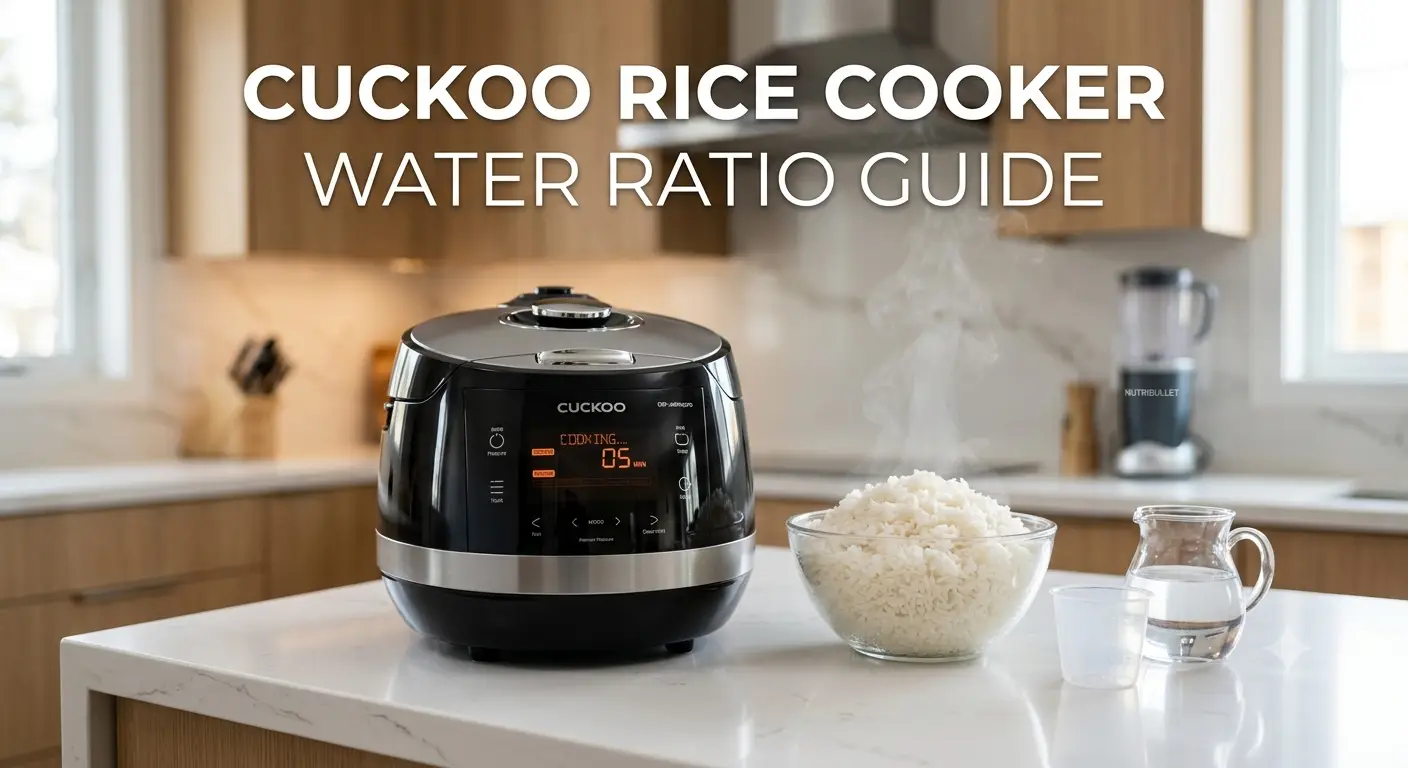
Cuckoo rice cookers are globally renowned for their precision pressure technology, producing fluffy, perfectly cooked grain every single time. However, if your cooked rice turns out too mushy, sticky, or burnt at the bottom, the problem usually isn’t the machine—it is the liquid proportion. Mastering the cuckoo rice cooker water ratio guide is the ultimate secret to unlocking restaurant-quality rice at home.
Unlike standard basic rice cookers, Cuckoo models utilize smart heating elements that seal in steam efficiently. Because less moisture evaporates during cooking, using too much water can easily spoil your dish.
In this comprehensive cuckoo rice cooker water ratio guide, you will learn how to read inner pot markings, convert standard measuring cups, adjust liquid levels for different grain types, and fix common cooking mistakes effortlessly.
Understanding Cuckoo Measuring Cups vs. Standard Cups
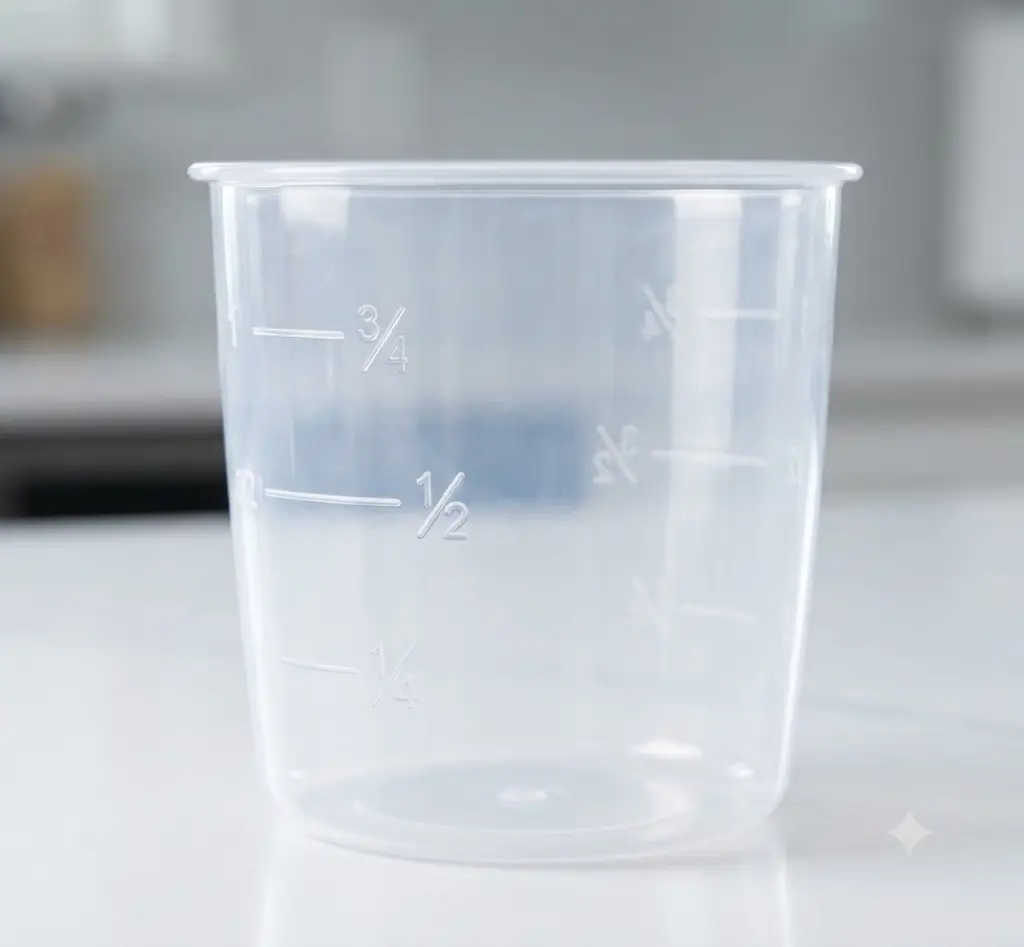
The most common mistake home cooks make is confusing a standard US measuring cup with the cup provided inside your Cuckoo box.
- Cuckoo Measuring Cup: 1 Cuckoo cup equals approximately 180 ml (or about 3/4 of a standard US cup).
- Standard US Measuring Cup: 1 US cup equals 240 ml.
When following any recipe or using this cuckoo rice cooker water ratio guide, always measure your raw dry rice using the plastic cup provided with your Cuckoo appliance to match the inner pot scale correctly.
Cuckoo Rice Cooker Water Ratio Guide (By Grain Type)
Different types of rice absorb water at varying rates. Use this quick reference chart to get ideal results every time:
| Rice / Grain Type | Cuckoo Rice Cup | Water Ratio (Standard Liquid) | Inner Pot Water Line |
|---|---|---|---|
| White / Jasmine Rice | 1 Cup | 1 : 1.25 | Level 1 (White Rice) |
| Basmati Rice | 1 Cup | 1 : 1.2 | Level 1 |
| Brown Rice | 1 Cup | 1 : 1.5 | Level 1 (Brown/Gaba) |
| Sushi / Short Grain | 1 Cup | 1 : 1.1 | Level 1 |
| Quinoa / Mixed Grain | 1 Cup | 1 : 1.5 | Level 1.5 |
Pro Tip: For specific model settings and official safety warnings, you can always refer to the official Cuckoo Electronics user manual for precise PSI pressure configurations.
How to Read the Cuckoo Inner Pot Water Lines
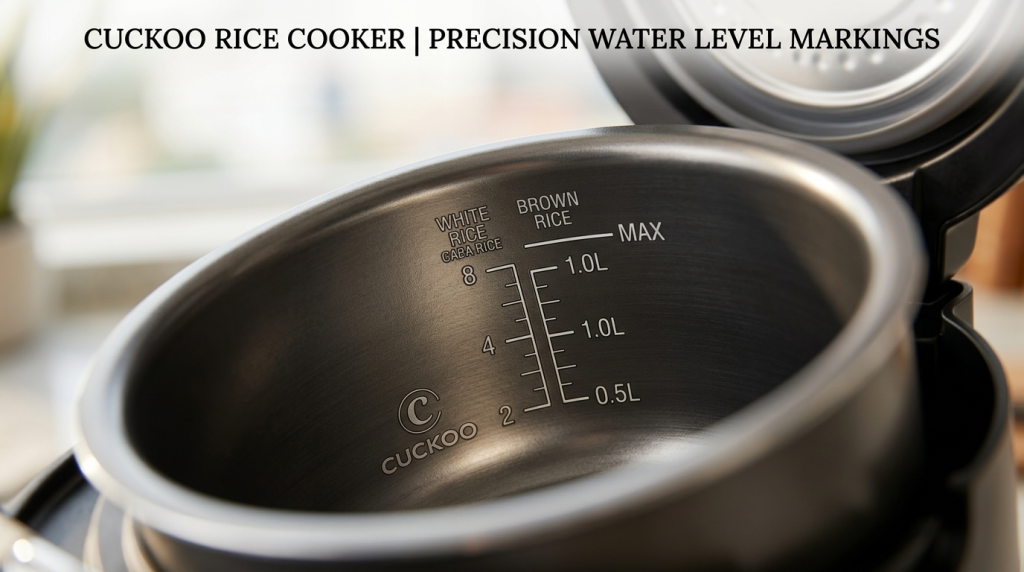
If you don’t want to calculate liquid volume manually, your Cuckoo inner pot has clear engraved markings designed to make prep work effortless.
- Measure the Rice: Use the Cuckoo cup to scoop your dry rice into the pot (e.g., 2 cups).
- Rinse Thoroughly: Wash the rice under cold water in a separate colander until the water runs clear.
- Fill to the Matching Number: Pour water into the pot until it reaches the engraved number that corresponds to the number of rice cups you added.
- Example: If you cooked 3 Cuckoo cups of white rice, fill water exactly up to the Line 3 under the “White Rice” section.
5 Easy Tips for Perfect Cuckoo Rice Every Time
To get maximum performance out of this cuckoo rice cooker water ratio guide, keep these five rules in mind:
1. Always Rinse Your Rice First
Rinsing removes excess surface starch that causes rice to foam up, boil over, or turn out gummy.
2. Level Out the Rice Before Adding Water
Gently shake or level the rinsed rice at the bottom of the pot before pouring water so the inner pot indicators read accurately.
3. Adjust for Soaked Rice
If you soak brown rice or sticky rice beforehand, reduce the required water by about 1 to 2 tablespoons, as pre-soaked grains already retain moisture.
4. Let It Rest on Warm Mode
Once the cooking cycle finishes, leave the lid closed on “Warm” for 10 minutes. This allows heat to redistribute evenly and softens the top layer of grains.
5. Fluff Gentle with a Silicone Paddle
Always use the plastic or silicone spatula provided with your unit to avoid scratching the non-stick inner coating.
Frequently Asked Questions (FAQs)
Q1: Why is my Cuckoo cooked rice too soft or watery?
You likely used a standard 240 ml liquid measuring cup instead of the 180 ml Cuckoo cup, or you filled water past the designated inner pot line.
Q2: Can I use hot water to speed up cooking in Cuckoo?
It is best to use room temperature or cold water. Hot water disrupts the automated thermal sensors, which may cause undercooked centers.
Q3: How much water do I need for 2 cups of white rice in a Cuckoo?
Add 2 cuckoo cups of washed white rice and fill water up to the Line 2 mark inside the pot (or approximately 2.5 standard cups of water).
Q4: What happens if I accidentally add too much water?
Your rice will turn out mushy or overly sticky, and in some cases, excess starch can cause the cooker to boil over during the initial heating phase. If this happens, drain a small amount of excess liquid before the pressure cycle begins, if your model allows it, or simply reduce the water slightly next time.
Q5: Do I need to adjust the water ratio for the “GABA” or “Multigrain” setting?
Yes. GABA and multigrain settings typically require slightly more water and a longer soak time than the standard white rice setting, since these grains have tougher outer layers that absorb liquid more slowly. Check your model’s specific mode chart, as ratios can vary slightly between Cuckoo generations.
Q6: Why does my rice turn out different even when I follow the same water ratio every time?
Rice absorbs different amounts of moisture depending on its age and storage conditions — older rice tends to be drier and may need slightly more water, while fresher rice needs less. Humidity in your kitchen can also affect how much moisture the rice has already absorbed before cooking.
Q7: Can I use the water ratio guide for cooking rice with broth or stock instead of water?
Yes, you can substitute broth or stock using the same ratios in this guide. Keep in mind that broth is often slightly thicker than water, so you may want to use the lower end of the ratio range to avoid overly soft rice.
Q8: Does altitude affect the water ratio in a Cuckoo rice cooker?
Yes, at higher altitudes water boils at a lower temperature, which can affect cooking time and moisture absorption. If you live above 3,000 feet, consider adding slightly more water and allowing extra resting time on the Warm setting after cooking.
🛒 Recommended Rice Measuring & Prep Tools
- OXO Angled Measuring Cup Set — for precise liquid measurement when converting between Cuckoo cups and standard US cups
- Silicone Rice Paddle/Spatula — safe for non-stick inner pots, prevents scratching
Affiliate Disclosure: This article may contain affiliate links. If you purchase through one of these links, Smart Kitchen Vibe may earn a small commission at no additional cost to you.
Recommended Guides
- Cuckoo Rice Cooker Error Codes? (Easy Fix For E01, Eco, & More)
- Why Is My Rice Cooker Boiling Over? 7 Causes & Easy Fixes
- How to Clean a Cuckoo Rice Cooker: The Ultimate Step-by-Step Guide
Editorial Note
Reviewed by the Smart Kitchen Vibe Editorial Team
Water ratios vary by rice type and Cuckoo model generation — this guide is based on Cuckoo’s official measuring-cup ratio charts rather than generic rice cooker guidance.




[…] The Ultimate Cuckoo Rice Cooker Water Ratio Guide […]
[…] lid that releases the stainless steel cover plate. Pull it out, remove the rubber packing gasket, wash both in warm soapy water, and dry thoroughly before snapping them back into […]
[…] Articles: How to Clean a Cuckoo Rice Cooker | The Ultimate Cuckoo Rice Cooker Water Ratio Guide | Why Is My Rice Cooker Boiling Over? | Top 5 Best Rice […]