Why Won’t My Instant Pot Build Pressure? (5 Easy Fixes)


There’s nothing more frustrating than sitting in the kitchen watching your Instant Pot hiss and sputter while the float valve just won’t pop up. If your Instant Pot won’t build pressure, it’s almost always one of a handful of common, fixable issues—not a broken appliance.
In this complete guide, we’ll walk through the 5 most common reasons your Instant Pot won’t build pressure and exactly how to fix each one so you can get back to cooking with confidence.
Quick Checklist Before You Start
Before diving into fixes, make sure of the basics:
- The inner pot is seated flat and level inside the cooker
- There’s enough liquid inside (at least 1 cup, or per your recipe)
- The lid is properly locked, not just resting on top
- The sealing ring is installed and not missing
If all of these look fine and your Instant Pot won’t build pressure, go through the fixes below.
5 Reasons Your Instant Pot Won’t Build Pressure (And How to Fix Them)
1. The Sealing Ring Isn’t Seated Properly
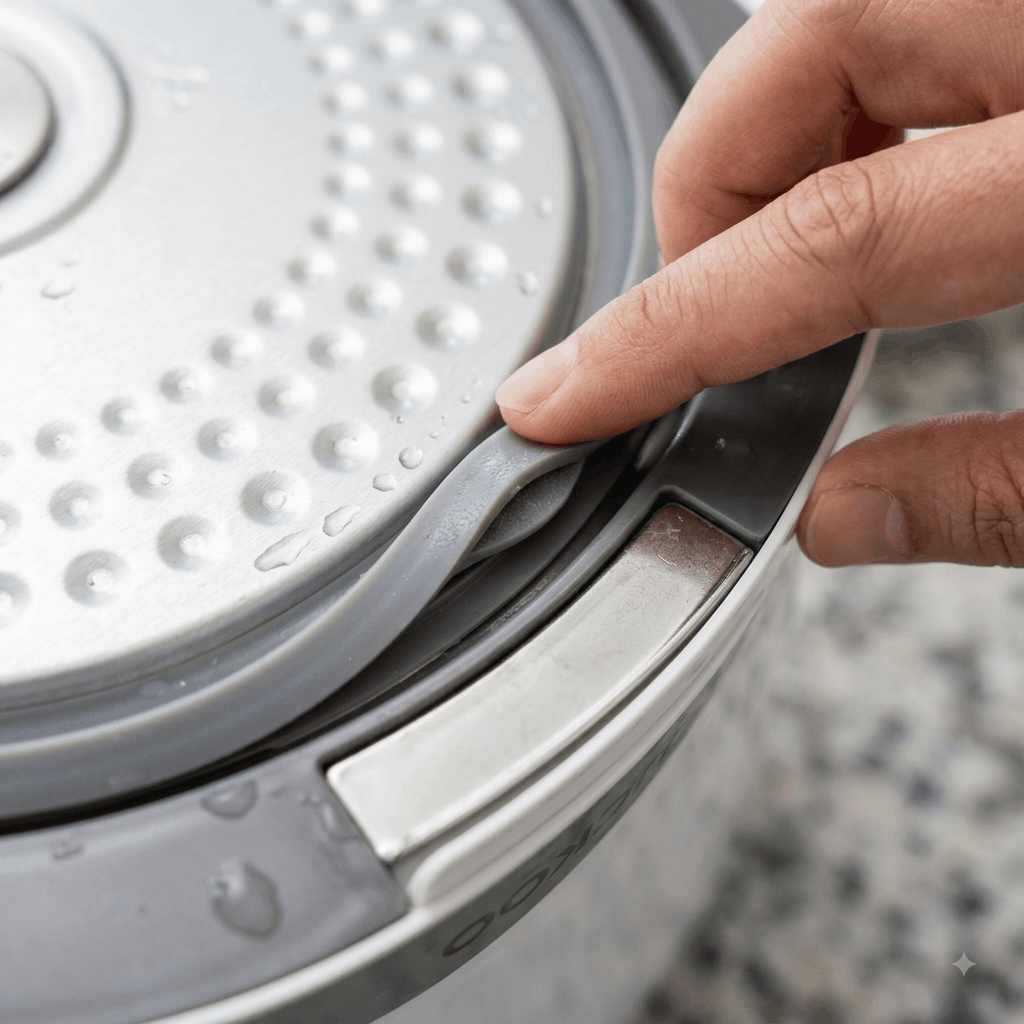
The sealing ring (the silicone ring inside the lid) is the single most common cause of pressure problems. If it’s twisted, loose, or not fully snapped into the metal rim under the lid, steam will escape instead of building pressure.
Fix: Remove the lid, take out the sealing ring, and reseat it firmly all the way around the rim. Make sure it sits flat with no twists or gaps. If the ring is cracked, warped, or smells permanently like your last curry, it’s time to replace it—sealing rings typically need replacing every 12–18 months.
2. The Steam Release Valve Is in the Wrong Position
If the steam release valve on top of the lid is left in the “Venting” position instead of “Sealing,” steam will continuously escape, and the pot will never pressurize—no matter how long you wait.
Fix: Check the valve before you start cooking and manually switch it to “Sealing.” On some newer models, this happens automatically, but it’s always worth a visual check.

3. Not Enough Liquid Inside the Pot
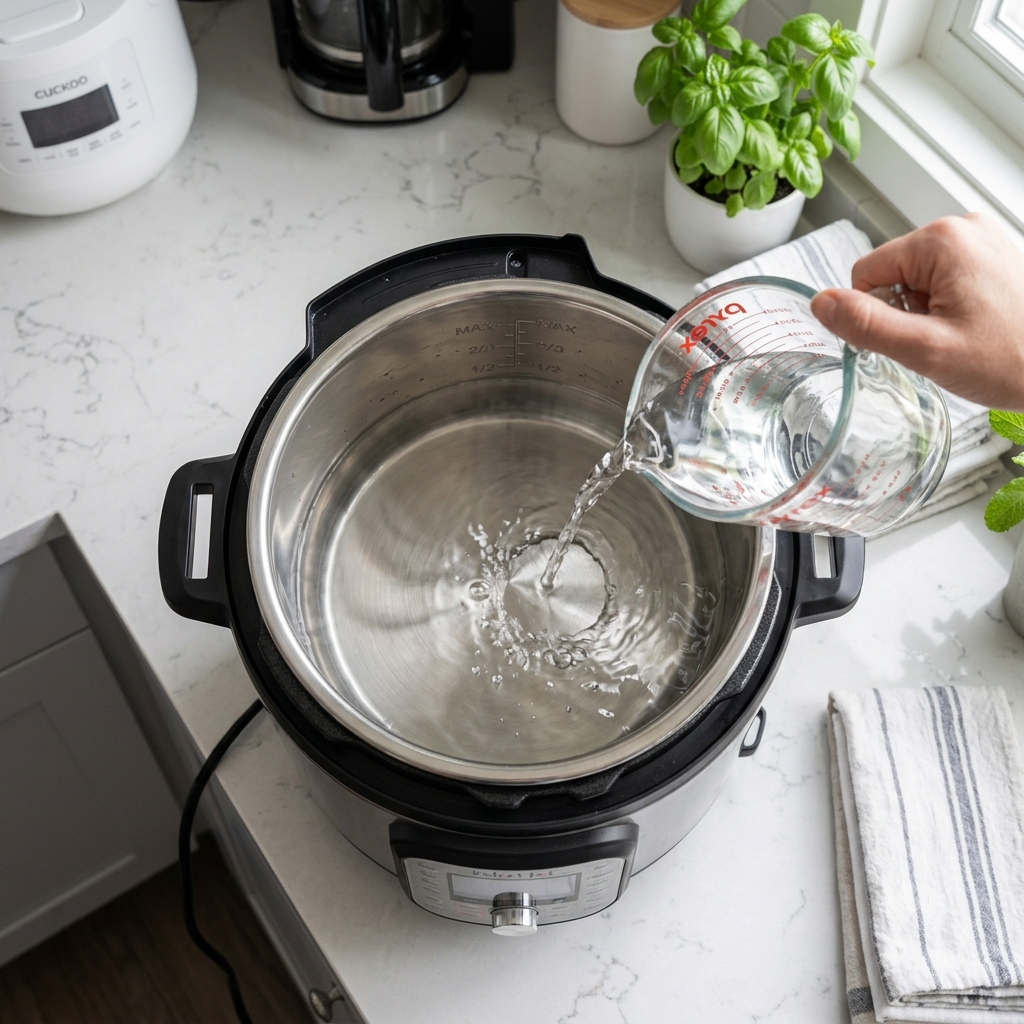
This is another very common reason an Instant Pot won’t build pressure. The cooker needs a minimum amount of liquid to generate steam. If your recipe is too thick or too dry, it simply can’t build enough pressure to lock the lid and cook properly.
Fix: Always use at least 1 cup (240ml) of thin liquid — water, broth, or stock — even if your recipe doesn’t explicitly call for it. Thick sauces or purées don’t count, since they don’t generate steam efficiently.
4. The Anti-Block Shield Is Clogged
Inside the lid, there’s a small anti-block shield covering the steam release pathway. Bits of food, rice, or debris can get lodged in it over time, blocking steam flow and preventing proper pressurization.
Fix: Twist and remove the anti-block shield (it usually unscrews or unclips), rinse it thoroughly under running water, and use a small brush or toothpick to clear any trapped debris before reattaching it.

5. The Lid Isn’t Fully Locked
If the lid isn’t turned all the way to the locked position, the pot will never build pressure—even if everything else is perfect. This is easy to overlook, especially with newer models where the locking mechanism can feel stiff.
Fix: Turn the lid clockwise until it clicks into place and sits centered, not tilted. Most models show a visual lock indicator (a red pin or icon) once it’s properly secured—check for it before starting the cook cycle.
Frequently Asked Questions About Instant Pot Pressure Problems
Here are the most common questions people have when their Instant Pot won’t build pressure.
1. How long should it normally take for an Instant Pot to build pressure?
It typically takes 10–15 minutes for an Instant Pot to build pressure, depending on how much liquid and food is inside. Larger or fuller pots take longer to come up to pressure than smaller, less full ones.
2. Why does my Instant Pot say “Burn” instead of building pressure?
A “Burn” notice usually means there isn’t enough liquid, or food is stuck to the bottom of the inner pot—this is one of the most common reasons an Instant Pot won’t build pressure properly. Deglaze the pot by scraping up any stuck bits and add more liquid before restarting.
3. Can I still use my Instant Pot if the sealing ring is missing?
No — without the sealing ring, the lid cannot form an airtight seal, so the pot will never pressurize. If your Instant Pot won’t build pressure and you can’t find the sealing ring, check inside the lid rim before assuming another cause. Always keep a spare sealing ring on hand.
4. Is it normal for steam to escape a little at the start of cooking?
Yes, a small amount of steam escaping at the very beginning (before the float valve rises) is completely normal. If it continues throughout the whole cook cycle instead of stopping once pressure builds, that’s usually a sign your Instant Pot won’t build pressure correctly and signals one of the issues covered above.
Keep Your Instant Pot Running Smoothly
Most of the time, an Instant Pot won’t build pressure because of one of these five simple culprits—and all of them are quick, no-tools-needed fixes. A quick check of the sealing ring, valve position, liquid level, anti-block shield, and lid lock before every cook will save you from most pressure problems altogether.
Looking for a replacement sealing ring or other Instant Pot accessories? Browse our [Smart Kitchen collection] for genuine parts and more kitchen essentials.
Conclusion
Most of the time, an Instant Pot won’t build pressure because of one of these five simple culprits — a loose sealing ring, the valve left on Venting, too little liquid, a clogged anti-block shield, or a lid that isn’t fully locked—and every one of them is a quick, no-tools-needed fix. Run through the checklist at the top of this guide before every cook, and you’ll avoid the vast majority of pressure problems altogether. If you’ve worked through all five fixes and the pot still won’t pressurize, it may be worth contacting Instant’s customer support, since that points to a less common internal issue rather than something fixable at home.
Related reads: Why Won’t My Instant Vortex Air Fryer Turn On?
Recommended Instant Pot Accessories
If you’ve identified a worn or missing part, replacing it is usually cheaper and faster than a repair:
- Replacement Sealing Ring (2-Pack)—Since these wear out every 12–18 months with regular use, keeping a spare on hand avoids a delayed dinner
- Replacement Anti-Block Shield / Steam Release Valve Kit — useful if yours is cracked or won’t seat properly after cleaning
- Silicone Trivet / Sling — helps keep the inner pot centered and level for a more reliable seal
👉 Check Price of Instant Pot Replacement Sealing Ring on Amazon
👉 Check Price of Instant Pot Anti-Block Shield & Valve Kit on Amazon
Affiliate Disclosure: This article may contain affiliate links. If you purchase through one of these links, Smart Kitchen Vibe may earn a small commission at no additional cost to you. We only recommend products we believe offer genuine value to our readers.
Editorial Note
Reviewed by the Smart Kitchen Vibe Editorial Team
Smart Kitchen Vibe publishes practical kitchen appliance guides based on manufacturer documentation, product manuals, and real-world troubleshooting research. Every guide is reviewed to ensure it is accurate, easy to understand, and focused on helping readers solve appliance problems safely.