Why Does My NutriBullet Smell Like Rubber? 7 Easy Fixes

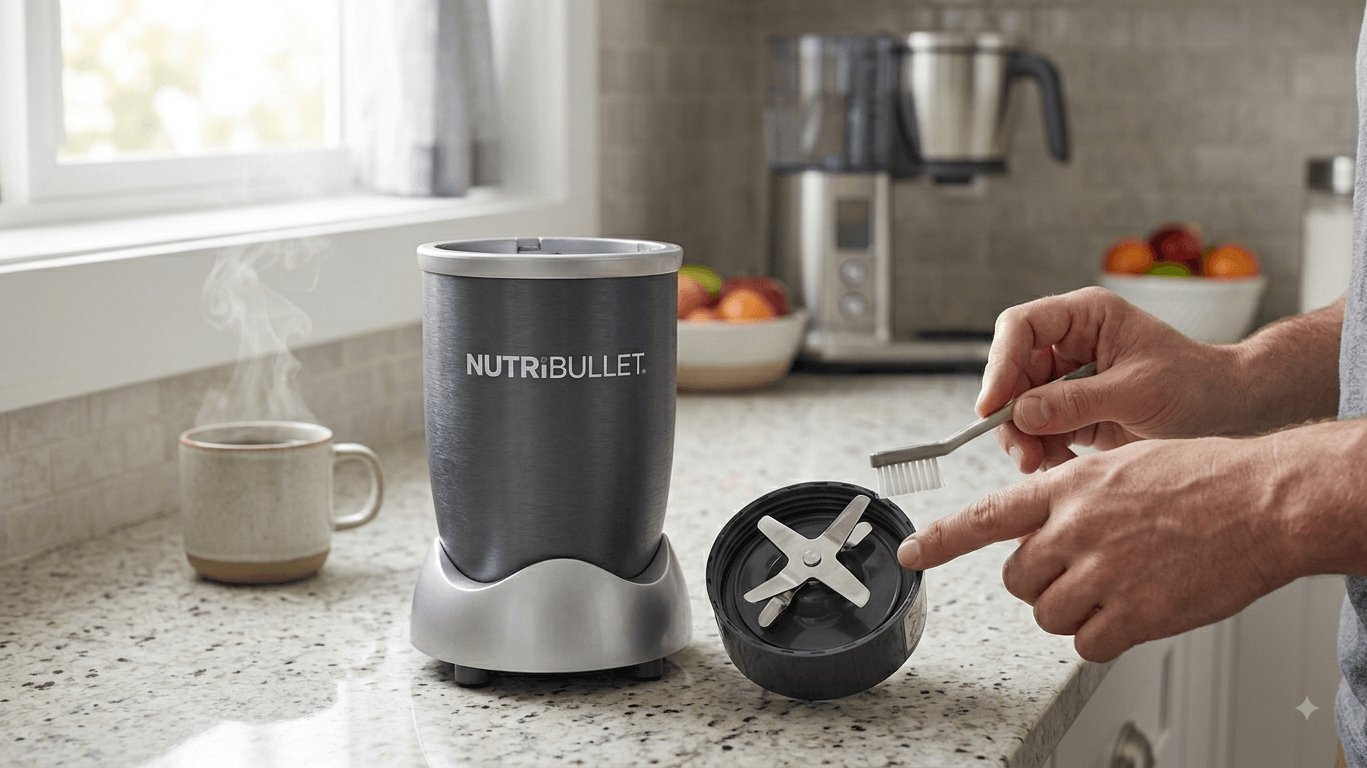
If you are wondering why does my nutribullet smell like rubber, the smell is usually coming from an overheated motor, worn drive gears, a stressed blade assembly, food residue, or friction between moving parts.
⚠️ Safety First: A mild odor from a brand-new blender may be temporary, but if you notice smoke, sparks, or a strong electrical burning smell alongside the rubber odor, unplug the unit immediately rather than continuing to troubleshoot.
⚡ Quick Steps to Try First
- Unplug the unit and let the motor cool down completely for at least 30 minutes.
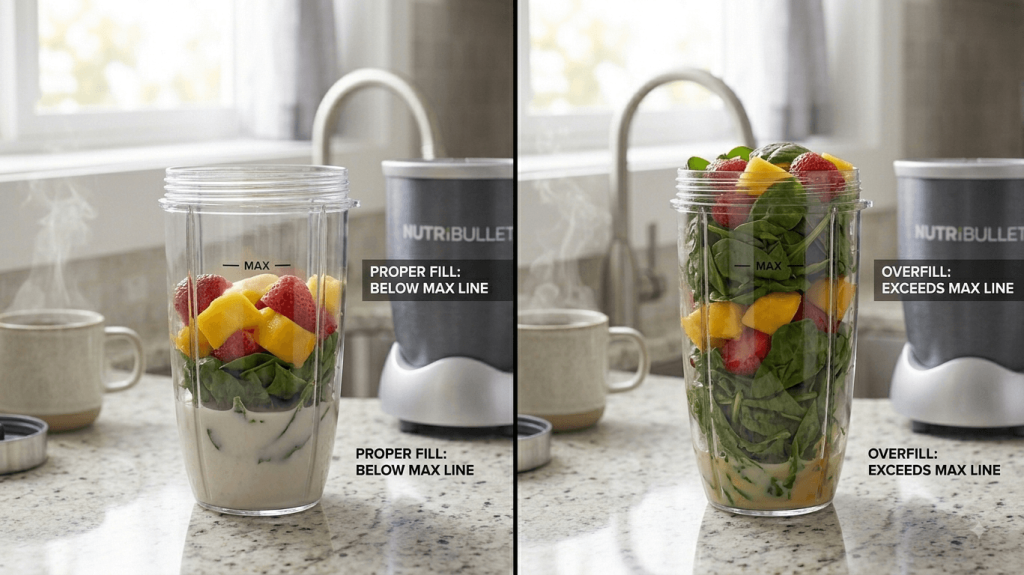
- Check ingredient levels and make sure nothing is filled above the MAX line.
- Inspect the drive gear and blade assembly for shaved plastic, black dust, or physical wear.
- Clean food residue from around the power base power pins and gear area.
- Run a light test blend with fresh water.
- If the odor persists or worsens, stop using the appliance and contact customer support.
Is a Rubber Smell Normal for a NutriBullet?
Whether a rubber smell is normal depends on the age and condition of your blender:
- New NutriBullet: A mild odor during the first few uses is quite common. It is usually caused by residual manufacturing protective oils on the motor coils or plastic components settling in under initial heating.
- Older / Regularly Used NutriBullet: If your blender ran smoothly for months and suddenly emits a rubber or burnt plastic odor, this is not normal and indicates friction, strain, or component wear.
Where Is the Rubber Smell Coming From?
If you are trying to figure out why does my nutribullet smell like rubber, identifying the exact source of the odor is the first step.
Narrowing down the physical source of the odor helps you identify the issue faster:
| Smell Location | Primary Suspect | Common Cause |
|---|---|---|
| Bottom / Power Base | Motor or Drive Gear | Overheating motor, worn plastic gear teeth |
| Blade Assembly | Bearings or Seal | Worn bearing friction, trapped food under gasket |
| Inside the Cup | Food Residue or Gasket | Overfilled ingredients, lingering odor on rubber seal |
7 Causes of a NutriBullet Rubber Smell
1. Motor Overheating Under Heavy Load
Blending thick ingredients (like dense frozen fruit, nut butters, or ice) without enough liquid forces the motor to draw extra power. This creates intense heat, leading to an overheating motor and a distinct burning-rubber odor.
2. Worn Drive Gear Friction
The plastic drive gear on top of the power base meshes with the blade assembly gear. Over time, friction can strip these teeth, creating fine black plastic/rubber dust and a burning smell.
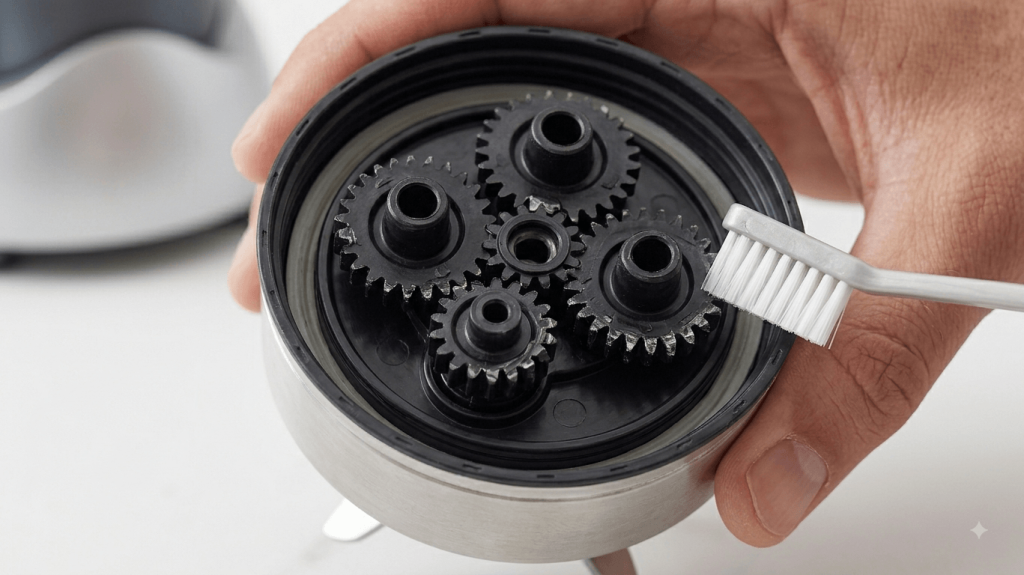
3. Degrading Blade Assembly Bearings
The stainless steel bearings inside the extractor blade housing wear down with regular use and liquid exposure. Increased mechanical resistance inside the blade assembly creates heat and a burning odor.
4. Too Little Liquid in the Blend
NutriBullet blenders rely on liquid vortexes to keep ingredients moving smoothly. Blending dry or extremely thick mixtures places severe mechanical strain on both the blade and motor.
5. Cup Filled Past the MAX Line
Overfilling the blending cup prevents ingredients from circulating freely. When ingredients jam against the blades, the motor stalls and overheats quickly.
6. Trapped Food Residue Around the Base
Spilled smoothie liquid that drips down into the base actuating pins or gear housing can scorch when the motor warms up, producing an unpleasant smell that mimics burning rubber.
7. Severe Electrical or Motor Failure
In rare cases, internal wiring or motor windings fail. If the smell is accompanied by visible smoke, popping sparks, or extreme heat, turn off power immediately.
🛠️ How to Fix a NutriBullet That Smells Like Rubber
Fix 1: Stop and Let the Motor Cool
If you smell burning while blending, stop immediately. Unplug the power base and allow it to cool down for 20 to 30 minutes to reset the internal thermal overload switch.
Fix 2: Reduce Cup Volume Below MAX Line
Never pack ingredients past the MAX fill line printed on the cup. Leave sufficient air space for vortex circulation.
Fix 3: Add Adequate Liquid
When blending frozen items, always add sufficient water, milk, or juice as recommended in your user manual to reduce motor resistance.
Fix 4: Inspect and Replace Worn Drive Gears
Check the rubber/plastic gear on top of the base. If you notice shaved teeth, black dust, or severe groove wear, replace the drive gear or blade attachment.
Fix 5: Clean the Power Base Carefully
Unplug the blender and use a damp microfiber cloth to clean dried smoothie residue around the gear area and power pins. Never submerge the power base in water.

Fix 6: Check the Blade Assembly for Stiffness
Twist the bottom metal gear of the extractor blade by hand (while detached). If it feels stiff, gritty, or loose, the bearings have failed and the blade assembly must be replaced.

Fix 7: Discontinue Use if Odor Persists
If you have addressed ingredient loads and cleaned the unit, but the burning smell returns every time you blend, discontinue use and contact NutriBullet Customer Support for warranty assistance.
Following these practical troubleshooting steps usually resolves why does my Nutribullet smells like rubber without needing professional repairs.
🛑 Rubber Smell vs. Electrical Burning Smell
| Symptom / Smell | Likely Cause | Action Required |
|---|---|---|
| Faint odor on brand-new unit | Factory coil settling | Monitor over next 2–3 uses |
| Rubber smell after long blending | Motor overload | Pause, blend, and let motor cool |
| Burnt plastic odor + black dust | Drive gear stripping | Replace drive gear or blade |
| Rubber smell + high grinding sound | Failed blade bearing | Replace extractor blade assembly |
| Smoke, sparks, or melted plastic | Major electrical fault | Unplug immediately; do not use |
🚨 Clear Red Flags: When to Stop Using Your Blender
Immediately unplug and stop troubleshooting your NutriBullet if you encounter:
- Visible smoke rising from the motor base or cup
- Sparks or popping sounds from the outlet/base
- Plastic or rubber components melting
- The power base becoming too hot to touch safely
- Loud screeching, grinding, or metal-on-metal sounds
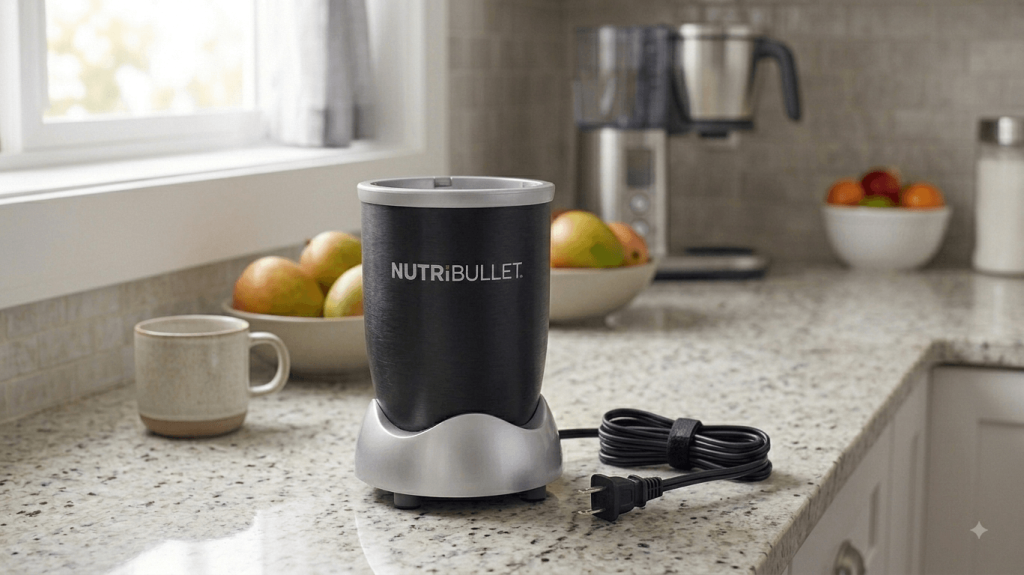
Understanding why does my nutribullet smell like rubber helps you prevent permanent motor damage and potential electrical safety hazards.
💡 How to Prevent Rubber Odor in Your Blender
- Follow the MAX Line: Never overfill blending cups.
- Liquid First: Always add liquids to the cup before frozen or solid ingredients.
- Blend in Short Bursts: Limit continuous blending runs to under 60 seconds per pulse.
- Keep Base Clean: Wipe down spills immediately to prevent liquid entering motor vents.
- Inspect Parts Monthly: Check drive gears and rubber gaskets for early wear.
Frequently Asked Questions
Why does my NutriBullet smell like rubber when blending?
This is usually caused by motor strain, drive gear friction, or blade assembly wear — often made worse by an overfilled cup or too little liquid. Work through the causes above to narrow down the source.
Is a rubber smell normal for a new NutriBullet?
A mild odor during the first few uses can be a normal residual manufacturing smell. If it persists well beyond the first several uses or appears suddenly on an older machine, treat it as worth investigating.
Why does my NutriBullet smell like burnt plastic?
This typically points to friction either from a worn drive gear or blade assembly bearing rather than food residue, which tends to smell more like burnt food than plastic.
Can an overloaded NutriBullet cause a rubber smell?
Yes. An overfilled cup forces the motor to work harder than intended, which can generate excess heat and a related odor.
Can a worn blade cause a burning smell?
Yes increased friction from a worn blade assembly bearing can produce a smell similar to gear wear, along with possible resistance when the blade is turned by hand.
Why does my NutriBullet smell but still work?
A functioning motor doesn’t rule out early-stage wear or strain. It’s worth investigating the smell now rather than waiting for a more serious failure.
Should I stop using my NutriBullet if it smells like burning rubber?
If the smell is mild and resolves after cooling and addressing an overfilled cup or insufficient liquid, you can generally continue using it cautiously. If it returns quickly, gets stronger, or comes with smoke or unusual heat, stop using it.
Can cleaning fix a rubber smell?
If the cause is dried food or liquid residue around the base, yes a thorough cleaning often resolves it. If the smell is caused by gear or blade wear, cleaning alone won’t fix it.
Conclusion
In summary, knowing why does my nutribullet smell like rubber typically points to motor overload, drive gear friction, or ingredient fill levels.
A rubber smell from your NutriBullet is usually a sign the motor or drive components are working harder than they should from an overfilled cup, too little liquid, or gradual wear on the gears and blade assembly. Most cases resolve with a cooldown period, a lighter load, and a check of the drive gear and blade for wear. If the smell keeps returning, gets stronger, or shows up alongside smoke, sparks, or unusual heat, stop using the blender and contact NutriBullet support rather than continuing to troubleshoot at home.
🔗 Related Troubleshooting Guides:
Why Is My Nutribullet Smoking?
Why Is My Nutribullet Leaking from the Bottom?
Nutribullet Blender Blade Not Turning
How to Clean and Maintain Your Smart Blender
Why Is My NutriBullet Making a Loud Noise?
Why Is My NutriBullet Not Blending?
Recommended Replacement Parts
If inspection shows a worn drive gear or blade assembly, replacing the part is often more practical than a repair:
- Replacement NutriBullet Blade Assembly (Extractor Blade) — the most common wear part behind rubber/burning smells
- NutriBullet Drive Gear Replacement Kit — for a base showing worn or shaved gear teeth
- Microfiber Cleaning Cloths — for safely wiping down the power base without scratching it
👉 Check Price of NutriBullet Replacement Blade Assembly on Amazon
👉 Check Price of NutriBullet Microfiber cleaning cloths
👉 Check Price of NutriBullet Drive Gear Replacement Kit on Amazon
Affiliate Disclosure: This article may contain affiliate links. If you purchase through one of these links, Smart Kitchen Vibe may earn a small commission at no additional cost to you. We only recommend products we believe offer genuine value to our readers.
Editorial Note
Reviewed by the Smart Kitchen Vibe Editorial Team
Smart Kitchen Vibe publishes practical, thoroughly researched kitchen appliance guides based on manufacturer documentation, real-world testing, and safety guidelines. Where manufacturer documentation doesn’t confirm a specific mechanical cause, this guide uses cautious, evidence-based language (“may,” “can,” “possible cause”) rather than presenting an unverified diagnosis as certain.